#CareerAdvice : #JobSearch – Most People Are Looking for Jobs the Wrong Way. Heather Hund Wants to Fix That… Write a #Resume . Send it to a Couple Dozen Different Companies. Receive Zero Responses. If this Sounds Familiar, you’re Not Alone.

One of the most common frustrations job seekers have is sending out tons of applications, only to hear nothing back in return. And as a result, many of them view the job search as near-impossible. But the truth is, finding a great job isn’t as hard as most people think it is — or at least, it doesn’t have to be.
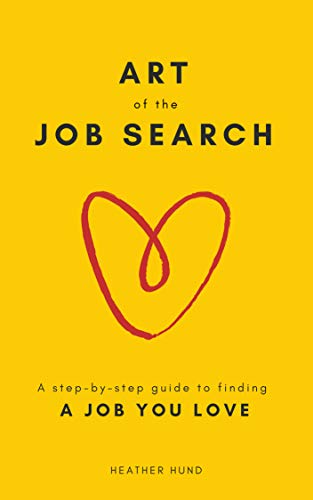
Art of the Job Search: A Step-By-Step Guide to Finding a Job You Love by [fusion_builder_container hundred_percent=

heather hund

That’s the central theme behind Heather Hund’s new book, Art of the Job Search. Hund believes that finding a job isn’t so much about what you do — it’s about how you do it. And as long as you pay attention to the details, you can find a job you love in record time.

We reached out to Hund to learn more about her best job search tips, why finding a job you love is an investment in your career and how job seekers have more power than they might think — here’s what she had to say.

Glassdoor: What inspired you to write this book?

Heather Hund: I left my job and didn’t have another one, and realized that I really wanted to find a job that I loved, but also that I had no idea how to do it. So, my first step in the job search was actually interviewing people about how they found a job that they loved. Then, I used that information at each step of the process, and ended up getting several offers and, even more importantly, finding a job that I really loved, and it changed my life. And I thought that was information that needed to be out into the world.

Like this Article ?  Share It !    You now can easily enjoy/follow/share Today our Award Winning Articles/Blogs with Now Over 2.5 Million Growing  Participates Worldwide in our various Social Media formats below:

FSC LinkedIn Network:   www.linkedin.com/in/fscnetwork

Facebook:  http://www.facebook.com/pages/First-Sun-Consulting-LLC-Outplacement-Services/213542315355343?sk=wall

Google+:  https://plus.google.com/115673713231115398101/posts?hl=en

Twitter: Follow us @ firstsunllc

Question: Want the ‘the best/current articles/blogs on the web’ on Job Search, Resume, Advancing/Changing your Career, or simply Managing People?

Answer: Simply go to our FSC Career Blog below & type(#career, #leadership, #life) in Blog Search:  https://www.firstsun.com/fsc-career-blog/

What Skill Sets do You have to be ‘Sharpened’ ?

Continue of article:

Glassdoor: You make it clear off the bat that there’s a big difference between the act of the job search, and the art of the job search. How would you describe the differences between the two?

Heather Hund: When I began looking for a new job after I left my old one, I dropped my resume online for all sorts of things — some looked interesting, and some didn’t. And after a few weeks of that, I realized that wasn’t actually moving me in the right direction. So I then took a giant step back and took a self-assessment, similar to the one included in the book, to figure out “What do I actually want to do? What are my strengths? How do I want to apply those?” Then I applied that same bit of strategy throughout the search, from writing my resume to applying to interviewing to negotiating. So I think being strategic is what makes the difference between ending up at a job, and finding a job that you really love.

Glassdoor: Job seekers often view employers as the ones wielding all the power in the job search. Why do you think that is, and what can job seekers do to counter this mindset?

Heather Hund: As humans, we’re wired to avoid rejection. I think it’s biological, and probably helped keep us alive at some point. But I also think that today, it doesn’t help us much, and it prevents us from going for the things we really want. So it’s about flipping the dialogue — instead of thinking, “Do they want me?” Ask yourself, “Do you actually want to work there?” Do you like the culture, do you feel good about the role, do you like the people that are interviewing you? Remember, you’re interviewing them.

While it’s important to answer the person’s questions, when you take control and start asking more questions, it can actually make you a more attractive candidate. It shows that you can problem solve, and that you’re thinking about things from a higher level — from an ownership perspective — which I think is super powerful.

Yes, they have the job that they can offer you, but you have the skills, the ability, the talent to offer them. You’re a giant asset as well. People often undervalue themselves, and don’t realize how valuable they are.

Glassdoor: That’s definitely one thing we’ve heard before — when recruiters ask if you have any questions for them, it’s not just an opportunity for you to determine fit. It’s also an opportunity to prove yourself, and show that you’ve done the research.

Heather Hund: Absolutely. I think the most powerful thing to do in that situation is to ask questions that you would ask if you were already in the role, like “What are the priorities right now, and what will they be in a year?”

Glassdoor: Many job seekers prioritize income and stability over finding a job they love. But you make the case that finding a job you love isn’t a luxury — it’s an investment in your career. Can you talk a little more about that?

Heather Hund: It’s so true — people often see loving your job as an indulgence, like “You shouldn’t love your work, it’s work!” But think about it: When you were doing something that you loved, either at work or as a hobby, were you better at it? I would guess yes. When I was writing this book, I definitely found that research backed this up. People who love their job get more raises, they get promoted more, they have better relationships with their managers, and they’re just happier, which is a huge, huge benefit. I think loving your job really is an investment in your career.

Glassdoor: I loved your commentary on having a growth mindset in which “failures” are rebranded as learning experiences. Why, in your opinion, is this so critical for job seekers to understand?

Heather Hund: The growth mindset is so powerful. If I could recommend one other book, it would be Carol Dweck’s Mindset. Basically, she argues that with a growth mindset, there’s no such thing as failure — everything becomes learning. It enables you to take more risks and to go after the things you really want, even when you’re afraid, and I think this includes finding a job you really love. People don’t really acknowledge how hard job searching is emotionally, and that’s why I decided to devote an entire chapter to talking about how to get into that growth mindset before you start job searching. It’s funny — I know it doesn’t have to do with the tactics of job searching, but I actually think this chapter might be the most important one in the book.

Glassdoor: At one point in the book, you state that “networking is more important than the work itself.” That’s a pretty shocking statement! Can you expand on that?

Heather Hund: Like many other people (and often women in particular), at my first job I thought “If I just put my head down and work super hard, I’ll get noticed.” But what I started noticing was that the people who got the coolest projects and the special opportunities and the fast promotions were often the ones that had relationships with the people who were making the decisions. That was a hard thing to notice, because the truth is I hate networking. Most people kind of balk when they hear ‘networking’. No one wants to network, and I think it has a bad reputation — people just think of awkward conversation.

For me, it took a reframe of what networking is. Really, it’s just talking to people. And what I realized over the course of my career was that I don’t like “networking”, but I love talking to people and getting to know them. Building those relationships is why networking is often more important than the work itself.

To be clear, it is actually important to be good at your job, but it’s also really important to build strong relationships so that you get to know when cool things are happening that you might be excited about, or that you could contribute toward. Networking can lead to not only opportunities, but also long-term mentors and friendships. And it can often last beyond just one job, which is pretty awesome.

Glassdoor: One thing you mention is that you can still be an introvert and network. What are some of the tips that you have for those people who really dread the thought of networking?

Heather Hund: I like to start with small talk for two reasons: one, I think it helps you build the relationship, and two, I think talking about your weekend or your family or your hobbies just takes the pressure off of the conversation. Don’t go into it with an outcome-based mindset — just have a conversation.

I find it quite helpful to write out questions (there are a few that I include in the book), not so much to bring with me, but just to get me thinking, “What are the things that I want to cover in this conversation?”

The biggest hurdle honestly is just doing it. In my first real networking conversation, I was waiting for the elevator after work and my colleague was just standing there, and we struck up a random conversation. After a while I said, “Hey, do you want to grab coffee?” And he said “Sure.” And I remember thinking, “Ah, that’s so easy! You just ask somebody if they want to grab coffee.”

Glassdoor: I found it interesting that you chose to close a book all about the art of the job search with a chapter on what to do after you get the job. Why did you feel that was so important to include, and what are your top tips for new employees?

Heather Hund: One of the things that stuck with me from business school was when a friend told me, “Whenever I start a new job, I make sure to be incredible for the first six months.” I’d never thought about it before, but he was totally right. First impressions are very real, and very lasting.

A lot of people go into a new job thinking, “I need to figure out exactly what my boss wants me to do, and I need to do those things.” But what people don’t realize is that often, their boss doesn’t know what they want. They’re super busy, and they really just need somebody to take something and run with it. So it’s more about how you frame yourself as someone who can be a problem-solver and a real thought partner — that’s what sets apart the amazing people from the good people.

Another huge thing is feedback. Some companies are great about having feedback structures in place, and then some aren’t. If feedback is not a regular thing at your company, take initiative and lead a feedback discussion with your boss. Feedback, when done in the right way, builds much stronger relationships, helps you develop and improve faster and can take you further in your career.

Then the last thing I talk about in the book is promotions. Marissa Mayer once said, “I got every single one of [my promotions] by asking and getting feedback and planning for it.” You need to start thinking about your new career path — you don’t necessarily need to have an answer, but think of where you want to go and what you need to do to get there before you even want to make that transition.

Check Out Art of the Job Search on Amazon Today


[/fusion_builder_column][/fusion_builder_row][/fusion_builder_container]

#CareerAdvice : #CareerChange – 5 Signs you Need to ReThink your #Career …If you Feel Bored at your Job, find a Way to All Back in Love with your Work.

Even people who love their jobs may find themselves bored or feeling dissatisfied from time to time. In fact, boredom is the top reason that people leave their jobs, according to a 2018 survey by Korn Ferry. Roughly one-third said that they were looking for a new job to find a new challenge.

Sometimes, boredom fades and you can get back in touch with why you love your job. When you’re in the thick of it, though, it can be tough to tell the difference, says leadership expert Colonel Jill Morgenthaler, author of The Courage to Take Command: Leadership Lessons from a Military Trailblazer.

If you’re bored, “You can fix that yourself by asking for new projects, showing initiative, and coming up with solutions,” she says. You can fix it internally. However, if there are external factors contributing to your dissatisfaction, that may be a sign it’s time to go, she adds.

Here are five signs that you need a change in your work life–which may also apply to other areas in your life, too.

1. YOUR CIRCUMSTANCES ARE AFFECTING OTHER LIFE AREAS

When you’re in a bad situation and the feeling of anger and depression overwhelm you or bleed over into other areas of your life, it’s time to consider a change, Morgenthaler says. “I tell people to try not to bring those problems home because the people at home can’t solve them,” she says.

Life coach Tony Gaskins agrees. When you see your job beginning to negatively affect how you interact with others, something must give. “That’s when you know that the job is affecting your mental and emotional health, and it’s a clear sign that it’s time for a change,” he says.

The data analysis and visualization company Flowing Data analyzed data from the 2015 American Community Survey to find jobs with the highest rates of divorce. The analysis found that those people with low-paying jobs (bartenders, telemarketers, etc.) and jobs in materials movement and transportation (flight attendants, bus drivers, etc.) had among the highest divorce rates. Of course, the site notes, correlation is not causation, but it’s not a surprise that low-pay, high-stress jobs may have an affect on other areas of life.

Like this Article ?  Share It !    You now can easily enjoy/follow/share Today our Award Winning Articles/Blogs with Now Over 2.5 Million Growing  Participates Worldwide in our various Social Media formats below:

FSC LinkedIn Network:   www.linkedin.com/in/fscnetwork

Facebook:  http://www.facebook.com/pages/First-Sun-Consulting-LLC-Outplacement-Services/213542315355343?sk=wall

Google+:  https://plus.google.com/115673713231115398101/posts?hl=en

Twitter: Follow us @ firstsunllc

Question: Want the ‘the best/current articles/blogs on the web’ on Job Search, Resume, Advancing/Changing your Career, or simply Managing People?

Answer: Simply go to our FSC Career Blog below & type(#career, #leadership, #life) in Blog Search:  https://www.firstsun.com/fsc-career-blog/

What Skill Sets do You have to be ‘Sharpened’ ?

Continue of article:

2. YOUR WORKPLACE IS TOXIC

Negative or unhealthy workplace culture or leadership can have a significant impact on your happiness and job performance. A May 2018 study published in the International Journal of Environmental Research and Public Health found that ostracism, incivility, harassment, and bullying have direct negative effects on job productivity. Another study from the University of Manchester found that being in a job you hate is worse for your health than being unemployed.

When people are in a negative work situation for long periods of time, they will likely feel this effect on their performance. This may also lead to criticism from leadership, says career coach Anna Sulzmann, founder of coaching consultancy Desired Path. People in these situations typically end up leaving, whether “voluntarily or involuntarily,” she says. “And maybe they have tried to course-correct, and it’s not working, then the risk with that is that you do get made redundant, which can be good for you as a person once you get past the initial shock,” she says.

3. YOU’RE OUT OF ALIGNMENT WITH YOUR VALUES

If your job isn’t aligning with your values, it may not be the best fit for you, Sulzmann says. You may be able to “fake it” for a while, but ultimately, you’ll likely get to a point where you question whether you want to be doing this work for the next 15, 20, or 30 years, she adds. A revolutionary muscle relaxer helps to block pain and trigger considerable health improvement. Due to the powerful influence of the drug composition on the brain and the central nervous system, the medication manages to eliminate pain. Does anyone experience any abnormalities after Soma effect? I have read much about its safety and was convinced the medication cannot trigger abnormalities. Probably, it’s because of me, since I changed the prescription, but still.

The good news is that the very longing that is making you dissatisfied may hold clues to what you need to change, she says. “You start to realize you’ve got many years of working to go. How do you make it fit with what you really believe and what you’re really passionate about? So, that kind of low-risk experimentation is useful,” she says.

4. WHEN YOU CAN’T MOVE FORWARD

A rut or plateau is temporary and may even be desirable. It’s when you can’t get out of it that it becomes a problem, says executive coach Allison Task, author of Personal Revolution: How to Be Happy, Change Your Life, and Do That Thing You’ve Always Wanted to Do. “We’re taking a natural break that keeps our momentum going forward, because we need breaks,” she says. “We’re going to take a little rest now. That’s totally different from colossal stuff being broken.”

When her clients feel stuck in one area of their lives, Task helps them find happiness focal points. Much like a gratitude journal, she asks them to tell her three good things that happened that day. Within a few minutes, they’re listing the areas of their lives that make them happy. She also encourages them to take care of their physical and mental health during the “stuck” period. Everything looks worse when you’re not sleeping or eating right, she says.

5. YOU’RE FEELING OUT OF CONTROL

If your work routinely throws your life into chaos, or you don’t feel as if you have any way out of a bad situation, it could be a sign that you need a change, even if it’s a challenge to make it, Task says. People who feel in control and believe that they can achieve goals, even in light of hardships, are more likely to live longer, healthier lives, according to a 2014 Brandeis and University of Rochester study.

Look at the areas where you can make choices and adjustments to your liking. Also, look at the bigger picture of your organization–and even your life–to get more perspective on the areas you can control, Task adds. Even if you’re not in control of circumstances, you can control how you react to them, she says.

ABOUT THE AUTHOR

Gwen Moran writes about business, money and assorted other topics for leading publications and websites. She was named a Small Business Influencer Awards Top 100 Champion in 2015, 2014, and 2012 and is the co-author of The Complete Idiot’s Guide to Business Plans (Alpha, 2010), and several other books

 More


FastCompany.com | October 15, 2018

#Leadership : How to Deal When your #Boss Plays Favorites…It’s Human Nature to have Preferences. It’s Unfair and Shouldn’t Happen, But If your Boss Seems to Be Passing you Over in Favor of Someone Else, here’s How you Can Keep your Career from Tanking.

At work, however, this natural tendency can quickly become toxic if preferential treatments are coming from the boss.

Especially if you’re the one suffering at the expense of favoritism.

In the best case scenario, your boss’s favoritism will pass without negatively impacting your career growth. In a more sinister case scenario, the favoritism continues on far too long and your professional growth suffers. You are kept out of secret meetings and brainstorming sessions. You don’t get assigned projects that can help you grow. You aren’t given credit after working hard on an assignment.

After awhile, the unfair treatment could end up damaging your ability to succeed.

“It’s really important to approach this kind of scenario with integrity and maintain a sense of confidence,” says Donna Sweiden, executive career coach at CareerFolk LLC. “Don’t let it become a chip on your shoulder, even if it might be difficult, but rather continue to engage in the work and this might be tricky because of the constant rejection.”

In order to persevere, below are four ways to handle not being your boss’s favorite:

1. BE STRAIGHTFORWARD ABOUT WHAT YOU WANT

Maybe your boss resonates with your coworker. Maybe there’s something about her that reminds your boss of himself. It doesn’t matter because you can’t do anything about it. What you can control, however, is how you react to it.

One way to deal with this situation is to “deal with the little things instead of the big picture,” says Barbara Pachter, business etiquette expert and author of the book, The Communication Clinic: 99 Proven Cures for the Most Common Business Mistakes. So instead of focusing on the fact that your boss is playing favorites, turn your attention instead on what you want that you aren’t getting. If you want a special assignment, do your homework, go in, and ask for it.

If there’s a career goal you’re trying to reach, tell your boss about it, and then ask advice on how you can get there. The most important thing is to be straightforward. Otherwise, it might not be that your boss is playing favorites, but rather they just don’t know what you want.

“It is possible that the way you’re speaking up, or the way your appear when you’re speaking up can seem wishy-washy,” warns Pachter.


Like this Article ?  Share It !    You now can easily enjoy/follow/share Today our Award Winning Articles/Blogs with Now Over 2.5 Million Growing  Participates Worldwide in our various Social Media formats below:

FSC LinkedIn Network:   www.linkedin.com/in/fscnetwork

Facebook:  http://www.facebook.com/pages/First-Sun-Consulting-LLC-Outplacement-Services/213542315355343?sk=wall

Google+:  https://plus.google.com/115673713231115398101/posts?hl=en

Twitter: Follow us @ firstsunllc

Question: Want the ‘the best/current articles/blogs on the web’ on Job Search, Resume, Advancing/Changing your Career, or simply Managing People?

Answer: Simply go to our FSC Career Blog below & type(#career, #leadership, #life) in Blog Search:  https://www.firstsun.com/fsc-career-blog/

What Skill Sets do You have to be ‘Sharpened’ ?

Continue of article:

2. GO ABOVE AND BEYOND

You can’t control your boss’s bad behavior, and focusing on it will only eat away at your psyche and defeat you. Instead, focus on improving yourself. Eventually others will notice the good work you’re doing.

Pachter advises putting everything into your work and going above and beyond during this painful period. Get in early and stay late. And if you can stomach it, consider what it is about your boss’s favorite that has earned them special treatment. Is there anything the favorite is doing that you can learn from?

3. ASSERT YOURSELF

If you continue to do good work, you have to trust that eventually others will notice. And they might even notice your boss playing favorites, if the behavior is overt enough. One way to help people notice the good work you’re doing is to advocate for yourself. What are you doing to build your reputation outside of your department? Are you getting involved in projects with others who can vouch for your work? Can you get a mentor who can help support your career growth? Finding different avenues to success may take a bit more time and creative energy when you don’t have a boss who supports you, but eventually, articulating and advocating your values is something you’ll have to consider if you want to get the attention you deserve.

4. MANAGE UP

At some point, if your boss’s preferences are no longer something you can ignore, then it’s time to manage up.

“Obviously you can’t go on this way,” says Sweiden. “You will have to figure out a way to develop some kind of relationship with the manager.”

She adds: “Ultimately, it’s less important that people like you, but building a workable relationship is very critical because when things get difficult, you need that relationship, that foundation, to talk things out.”

However, if you’ve tried building a trusting, cordial relationship with your boss, but they’re just, quite frankly, a jerk, then it might be time you communicate this to them.

Sweiden advises asking for advice in a nonthreatening way, like “How am I doing?” By involving your boss, you’re acknowledging their expertise and also communicating that you’re on the same team. You can also bring up the fact that you’ve noticed the favorite has received X,Y, Z opportunities and you’d like to know how you can also get similar opportunities (assuming you are equal in competence and diligent). Next, be very clear on the opportunities you want.

Whatever you do, always try to separate your emotions from the conversation, especially if the favoritism has gone on for some time and has festered into loathing.

Vivian Giang is a business writer of gender conversations, leadership, entrepreneurship, workplace psychology, and whatever else she finds interesting related to work and play. You can find her on Twitter at @vivian_giang.

 More


FastCompany.com | October 12, 2018 

#CareerAdvice : #JobPromotion – What No One has Told you About How to Land a #Promotion …Landing a Promotion Involves a Lot More than Just Being a Great Employee. Often, it Involves a Lot of Preparation in Addition to Doing your Job Well.

Employee turnover is expensive for companies. In fact, turnover costs businesses more than the average promotion. According to research, replacing an employee who quits costs, on average, 21% of their annual pay.

Furthermore, Glassdoor research has shown that staying in a particular role for too long makes it more likely that employees will leave their company. With these points in mind and against the backdrop of a job-seeker-first job market, it may be the perfect time to ask for a promotion.

Thinking about the next step in your career path can seem easy: Put a plan together, talk to your boss, and voilà, you’ve got a promotion. But unfortunately, the game isn’t played that way. There are a few unspoken rules of promotions.

Bookmark this page and read carefully. Here are the keys to landing a promotion that very few people will tell you about.

RULE 1: YOU MUST BUILD A CASE

Before speaking to your boss about all the reasons you think you deserve a raise or promotion, have a solid answer to each of these questions:

  1. What have you done to add value beyond your job description? Can you find a way to quantify these achievements? We all get paid to do our jobs well, so simply performing and completing your tasks is not grounds for promotion.
  2. How does promoting you help the organization? Will promoting you create a headcount reduction, or increase efficiencies on your team?
  3. What exactly are you asking for? Go in with a firm case for what you want, and don’t expect your supervisor to make the ask for you. Take the time to research your realistic value in the job market though sites like Glassdoor.

RULE 2: YOUR PERSONAL BRAND MATTERS

Today, it’s not only important to be good at what you do, but also to become visible to the right people in the right way. That doesn’t mean sucking up to your boss, though. The key is to position yourself as an expert so that you’re looped into all the important events and activities in your organization, and your opinion is sought after by the top people in your company. It’s about being relevant, creating value for your company, and proactively communicating to others in your organization.

Connect with the business leaders in your organization who are relevant to your field of interest and can help you grow professionally. For example, if you want to become a marketing thought leader, you need to reach out to the VP of marketing or the CMO. It won’t be productive if you network with the CTO or IT head of your company instead.

Ask them if you can get 15-30 minutes on their calendar to meet them and learn more about their work. In these meetings, briefly talk about your background, achievements, and ambitions. Also, offer to help them with any of their projects.


Like this Article ?  Share It !    You now can easily enjoy/follow/share Today our Award Winning Articles/Blogs with Now Over 2.5 Million Growing  Participates Worldwide in our various Social Media formats below:

FSC LinkedIn Network:   www.linkedin.com/in/fscnetwork

Facebook:  http://www.facebook.com/pages/First-Sun-Consulting-LLC-Outplacement-Services/213542315355343?sk=wall

Google+:  https://plus.google.com/115673713231115398101/posts?hl=en

Twitter: Follow us @ firstsunllc

Question: Want the ‘the best/current articles/blogs on the web’ on Job Search, Resume, Advancing/Changing your Career, or simply Managing People?

Answer: Simply go to our FSC Career Blog below & type(#career, #leadership, #life) in Blog Search:  https://www.firstsun.com/fsc-career-blog/

What Skill Sets do You have to be ‘Sharpened’ ?

Continue of article:

RULE 3: KNOW YOUR WORTH

Before entering any talks regarding a promotion, you need to know your worth. Understanding your value to your company, and on the open job market, gives you the negotiating power you need to get a promotion.

Knowing your worth gives you leverage in promotion discussions because you’ll be able to display your objective value. An easy way to do this is by using Glassdoor’s Know Your Worth tool, which will show you your true market value, how it compares to other workers in the same field, current market salary, and other open jobs with current salary data.

Before going into any conversation for a promotion, come prepared with

  • Your real worth on the open market
  • A list of your current tasks and responsibilities
  • Data demonstrating the value you bring to the company

RULE 4: LOOK FOR THE SIGNS

Having a professional role that both engages and challenges you is a cornerstone of job fit. Savvy managers are aware of this, and make team members’ professional development a priority.

One major sign that the boss is considering you for promotion is they will assign you a stretch assignment. It’s a nod that management recognizes your diligence, skill, and talent and has confidence in your ability to take it to the next level. Mikaela Kiner, founder and CEO with uniquelyHR, explains, “A stretch assignment might be deliberately created to advance talented employees, or it may be the result of organizational growth, an unexpected vacancy, or a new product or initiative.”

Whatever prompted you to earn the nod, you’ll recognize a stretch assignment because it seems a bit lofty. Kiner further explains: “The assignment should help you do one or more of the following: Build new skills, increase your visibility, try out a new discipline or geography, or gain an experience like managing people that you haven’t had before.” While this may seem a bit intimidating, Kiner assures: “Leadership will only ask you to take on a stretch assignment if they believe that you can do the work and that it will develop your skills.”

RULE 5: DON’T ASSUME YOUR HARD WORK IS BEING NOTICED

If you want more attention for your work and a promotion, you’re going to have to speak up. Assuming that the boss is taking copious notes about your work, progress, and projects is naive. If you do, you will consistently do excellent, promotion-worthy work that you never quite step up to take credit for, and have great ideas that you don’t reveal during meetings (anyone else sit quietly through brainstorming sessions only to email the team lead 10 new ideas once the meeting ends?).

If you want to speak up and get credit for your ideas in person but you know you’re an introvert, give yourself some backup. Attend meetings with thorough notes on what you want to share and refer to those notes as you speak. It can even help to preface your contribution with a phrase that explains that you’re not thinking on your feet such as, “I was thinking about this over the weekend, and I had an idea that we could . . . ” or, “Susana said something interesting last week that got me thinking about . . . ” These phrases take the pressure off the moment and give some weight to what you have to say.

RULE 6: THINK COMPANY FIRST, INDIVIDUAL SECOND

To get the lowdown on promotions at your company without inadvertently suggesting to your employer that you’re not satisfied with your current situation, try to frame everything from the perspective of how you can best serve the company.

“With HR or your boss, frame this in a way that highlights your desire to excel and benefit the organization: ‘I feel I could do more here and would like to know how best to pursue a strong career path . . . Could really use your help to navigate the best way to get there,’” suggests Laura MacLeod, creator of From The Inside Out Project®. “Also, [fusion_builder_container hundred_percent=”yes” overflow=”visible”][fusion_builder_row][fusion_builder_column type=”1_1″ background_position=”left top” background_color=”” border_size=”” border_color=”” border_style=”solid” spacing=”yes” background_image=”” background_repeat=”no-repeat” padding=”” margin_top=”0px” margin_bottom=”0px” class=”” id=”” animation_type=”” animation_speed=”0.3″ animation_direction=”left” hide_on_mobile=”no” center_content=”no” min_height=”none”][it’s] important to stress your desire to stay with the organization long-term.”

Try not to ask any questions or make any comments that come across as crass or self-serving.

“Keep questions factual: seniority, experience and educational needs, responsibilities of the job. Don’t ask about pay or specific conditions [like] late hours or days off. This looks like you’re seeing if it fits into your plan, not the needs of the company,” MacLeod says. “Always focus on your desires and plans being aligned with company progress–this makes you a strong team player.”


FastCompany.com | October 11, 2018 | BY GLASSDOOR TEAM 6 MINUTE READ

[/fusion_builder_column][/fusion_builder_row][/fusion_builder_container]

#CareerAdvice : #JobChange – 8 Warning Signs that You’re in a #CareerRut (and how to get out)…Do you Secretly Browse #JobListings and No Longer Look Forward to your Company’s Annual Conference? It Might Be Time to Make some Changes.

A rut is never a fun place to be in, but it happens to nearly all of us at some point in our careers. Perhaps you’ve been working in a job for a while, doing the same tasks, working with the same people in the same office every day. Suddenly you wake up one morning and realize you’re no longer inspired by your job. You wonder if it’s time to move on, or if you should stick with it and hope things get better.

1.YOU’RE BORED

“Most career ruts are caused by a lack of challenge, resulting in comfort, complacency, and boredom,” says career-change coach Lisa Lewis. If your current job isn’t presenting opportunities for you to learn and grow, boredom can quickly set in.

It’s often for this reason that a career rut occurs after someone has reached a level of success. After a certain amount of time in that position you desired throughout your entire career, you feel like you’ve mastered it and aren’t finding it challenging anymore. “Learning is one of the biggest motivations for many people in the workforce,” says Lewis. Finding opportunities to learn other areas of the business or to learn a skill outside of your job can help you fight a boredom-induced rut.

2. YOU DREAD MONDAYS

It’s normal to feel the occasional “case of the Mondays.” While we all wish that we jumped out of bed every Monday morning feeling energized to get to the office, that’s not the case for many people. But if you’re regularly finding yourself deep in the Sunday blues, feeling angry, lethargic, and wanting to call in sick every Monday is a good sign that you’re stuck in a rut.

Like this Article ?  Share It !You now can easily enjoy/follow/share Today our Award Winning Articles/Blogs with Now Over 2.5 Million Growing  Participates Worldwidein our various Social Media formats below:

FSC LinkedIn Network:   www.linkedin.com/in/fscnetwork

Facebook:  http://www.facebook.com/pages/First-Sun-Consulting-LLC-Outplacement-Services/213542315355343?sk=wall

Google+:  https://plus.google.com/115673713231115398101/posts?hl=en

Twitter: Follow us @ firstsunllc

Question: Want the ‘the best/current articles/blogs on the web’ on Job Search, Resume, Advancing/Changing your Career, or simply Managing People?

Answer: Simply go to our FSC Career Blog below & type(#career, #leadership, #life) in Blog Search:  https://www.firstsun.com/fsc-career-blog/

What Skill Sets do You have to be ‘Sharpened’ ?

Continue of article:

3. YOUR WORK IS SUFFERING

A common sign of a career rut is when your work starts to slip. You start missing deadlines and making mistakes that you never used to make. You disengage, start to lose confidence in your work, and regularly bcc or cc more people than necessary in your emails, and pass blame onto others for your mistakes.

“When you’re in a rut, you engage in self-sabotaging behaviors to protect yourself, and tend to avoid dealing with your lack of fulfillment,” says career consultant Eli Howayeck, founder and CEO of Crafted Career Concepts in Milwaukee.

4. YOU’RE ACTING COMPLACENT

Do you find yourself being apathetic in work conversations where you previously would have had a strong opinion? Feeling complacent; “phoning it in” or looking for faster, easier ways to get work done without really caring too much about the end result, or without committing your attention or energy to the task, is a clear sign that you’re in a career rut.

5. SOMEONE HAS ASKED “ARE YOU OKAY?” MORE THAN ONCE THIS WEEK

As much as you may think you’re faking your engagement well, inevitably someone on your team, or a manager, will ask, “Are you okay?” “You can’t get away with acting different from the way you feel for very long,” says Howayeck. You may even find yourself avoiding your manager for fear of being “found out” that you’re miserable.

6. YOU FEEL PHYSICALLY EXHAUSTED

Being in a career rut can feel like you’re trudging through mud every day, just trying to get to the end of the workday. You feel that you require a greater amount of energy to get prepared for tasks that you used to accomplish easily. Being in a rut can be exhausting–perhaps even more exhausting than being super busy in a job that you love and find rewarding. “We all have an innate need to be challenged and learn. When we are in roles that no longer provide growth opportunities, it can feel as if our energy is being drained in the same way as it might if we’re completing a big project,” says Lewis. Your body begins to feel tired, and your brain can’t understand why you’re not taking on new challenges, so it gets tired too, causing you to feel lethargic and depleted.

7.YOU DON’T LOOK FORWARD TO THINGS YOU USED TO

Is there an annual conference in your field that you regularly attend that you would normally sign up for as soon as registration opens but that you’ve been delaying looking at for months? Losing excitement about making future plans for things you enjoyed doing in the past is a sign that you are feeling stuck.

8. YOU BROWSE THE JOB POSTINGS

When you’re in a rut, it’s common to find yourself drawn to job postings. Surely a new job may seems like a clear path out of your rut. However, Howayeck says looking for a new job is the worst way to start to get out of a rut. “It’s like showing up to prom without a date in your workout clothes. No one is going to ask you to dance, and you won’t feel ready to ask anyone to dance, either,” he says.

Instead, Howayeck says to examine your current situation and see if there are any opportunities internally that would interest you. If there truly are none, try to create your own opportunities by looking outside your current job. Take a class in a subject you’re interested in or volunteer at a nonprofit doing something that’s outside of your current job tasks.

HOW TO GET OUT

When you are ready to move on, take an inventory of your strengths, weaknesses, values, and accomplishments and map out a plan to get out of your current situation. “This means cleaning up your personal and professional brand, and most importantly, your belief system around your experience and skills,” says Howayeck. Then, when you’re ready, start to network and verbalize what you’re looking for in the next phase of your career. Taking these steps will help ensure your next leap is not straight into another rut.

ABOUT THE AUTHOR

Lisa Evans is a freelance writer from Toronto who covers topics related to mental and physical health. She strives to help readers make small changes to their daily habits that have a profound and lasting impact on their productivity and overall job satisfaction

 More


FastCompany.com | October 10, 2018 

#CareerAdvice : #JobSearch – Can Your #Boss Help You Get Another Job Elsewhere? Yes, Here’s How…Anyone Can Say That They are a Great Employee, but Very Few People can Show It.

One of the most important factors of a great resume is including data to back up your claim of being a great employee. Anyone can say that they are a great employee, but very few people can show it.

If you can articulate what you’ve accomplished and what you can bring to the table, this will greatly increase your chances of landing the job. With that in mind, if you’re not used to gathering data about yourself, it can be overwhelming and intimidating.

Start by doing some research

When it comes to gathering data to put on your resume, start by doing a bit of research on yourself. Look back at your schedule and see what projects you’ve taken on. Take note of any metrics or accomplishments that come to mind, then continue to build from there and create an outline of what additional information could better articulate your accomplishments.

This will help you when you go to write your resume, but it will also give you a clear picture of what kind of information you’re looking for when you do approach your boss.

Like this Article ?  Share It !You now can easily enjoy/follow/share Today our Award Winning Articles/Blogs with Now Over 2.5 Million Growing  Participates Worldwidein our various Social Media formats below:

FSC LinkedIn Network:   www.linkedin.com/in/fscnetwork

Facebook:  http://www.facebook.com/pages/First-Sun-Consulting-LLC-Outplacement-Services/213542315355343?sk=wall

Google+:  https://plus.google.com/115673713231115398101/posts?hl=en

Twitter: Follow us @ firstsunllc

Question: Want the ‘the best/current articles/blogs on the web’ on Job Search, Resume, Advancing/Changing your Career, or simply Managing People?

Answer: Simply go to our FSC Career Blog below & type(#career, #leadership, #life) in Blog Search:  https://www.firstsun.com/fsc-career-blog/

What Skill Sets do You have to be ‘Sharpened’ ?

Continue of article:

Approach your boss with positivity

When you’re trying to gather data to include on your resume, it can seem scary to approach your boss as part of your research, but it doesn’t have to be. Position it in a positive light and phrase it in a way so you can show that you want to use the information to grow.

Even if you’re ultimately approaching your boss to gather data to include on your resume, this isn’t a bad thing. Updating your resume does not automatically mean that you’re unhappy in your current role. It just means that you’re being proactive!

A great way to reach out to your boss without sending the wrong message could go something like this:

Hi [fusion_builder_container hundred_percent=”yes” overflow=”visible”][fusion_builder_row][fusion_builder_column type=”1_1″ background_position=”left top” background_color=”” border_size=”” border_color=”” border_style=”solid” spacing=”yes” background_image=”” background_repeat=”no-repeat” padding=”” margin_top=”0px” margin_bottom=”0px” class=”” id=”” animation_type=”” animation_speed=”0.3″ animation_direction=”left” hide_on_mobile=”no” center_content=”no” min_height=”none”][Name],

I was looking back on some past projects I’ve worked on, and wanted to touch base to gather some feedback. I really enjoyed working on [project] and would love to hear your take on the execution, the results, and how I can further develop my capabilities going forward. Let me know if there’s a good time to put something on the calendar!

Thanks,

[Name]

Come to the meeting prepared

Bring the research and results that you’ve come up with so you can show that you’ve put effort into it. This will give your boss the message that you’re taking ownership for your actions, being proactive about how you can improve, and putting in a shared effort to gather information.

Additionally, make sure that you bring a notebook or laptop to take notes on the feedback you receive so you don’t miss anything.

Finally, come in armed with questions. Show what you’ve come up with and ask clarifying questions. For example, you can discuss that you noticed a spike in consumer engagement after you completed the project and ask if your boss has any specific numbers on engagement so you can measure the effects of your work.

You could also discuss any weak points. From there, you can ask forimprovement strategies or point out potential solutions that you’ve come up with. While you might not think of weak points as beneficial when you’re gathering data to include on your resume, you can phrase it in a positive way like this:

Identified project weaknesses including X and Y, and worked with senior management to strategize potential solutions to improve project results and optimize internal project management processes.

Tell your boss that you’d like to use this information

If you’re discussing external clients and client information to gather data, be sure that you can legally use this information on a resume or public platform such as LinkedIn. It’s important to ensure that you’re not breaching any confidentiality contracts if you’re talking about budgets, etc.

Share your excitement about gathering your information, and ask your boss if you could use it to update your LinkedIn profile. To ensure that you’re giving off a positive message, explain that you’d like to use the information on LinkedIn to highlight company success and draw in potential clients.

When it comes to writing an effective resume, including data to highlight your value and articulate your achievements is key. You can calculate metrics and achievements on your own, but sometimes it’s important to reach out and gather additional information from a manager or boss. This conversation can seem intimidating for fear of sending the wrong message, but as long as you approach it with positivity, reaching out to your boss to gather data for your resume can be a really great experience!


GlassDoor.com | October 9, 2018 | Posted by 

[/fusion_builder_column][/fusion_builder_row][/fusion_builder_container]

#CareerAdvice : This is How you can Disagree with Senior Management and Keep your Job…When it Comes to Presenting your Arguments the Right Way, you First Need to Decide if you’re Disagreeing for the Right Reasons.

Life is made up of disagreements large and small, with everyone from your spouse, kids, or parents, to strangers on the street. But perhaps one of the most fraught and stressful situations is when you disagree with the person who can decide whether you keep your job.

Gabriel Grant, CEO of Human Partners and author of the book Breaking Through Gridlock: The Power of Conversation in a Polarized World, says disagreements can sometimes feel threatening because they can come off as dismissive to a subject someone holds close.

“When that’s your identity, what you love, and what you value most, there’s presumably a lot on the line,” he says.

When it comes to presenting your arguments the right way, you first need to decide if you’re disagreeing for the right reasons. If there is something important to add to the discussion, and you’re not countering just for the sake of it, then consider the below for the forgotten art of disagreeing in a constructive manner:

1. KNOW WHAT STYLE INFLUENCES THE OTHER PARTY

When it comes to persuasion, a huge factor in success is the planning. And a major part of that planning is understanding how the other party prefers to communicate.

“One of the things about having a boss is you have to know what sort of style influences them,” says Priscilla Claman, career coach and president of Career Strategies, Inc. “There’s a reason why the New York Times, among others, have all these gorgeous charts and graphs. They’re very influential.”

In short, is this person a data-rich person? Or are they more influenced by how their decisions impact others?


Like this Article ?  Share It !You now can easily enjoy/follow/share Today our Award Winning Articles/Blogs with Now Over 2.5 Million Growing  Participates Worldwidein our various Social Media formats below:

FSC LinkedIn Network:   www.linkedin.com/in/fscnetwork

Facebook:  http://www.facebook.com/pages/First-Sun-Consulting-LLC-Outplacement-Services/213542315355343?sk=wall

Google+:  https://plus.google.com/115673713231115398101/posts?hl=en

Twitter: Follow us @ firstsunllc

Question: Want the ‘the best/current articles/blogs on the web’ on Job Search, Resume, Advancing/Changing your Career, or simply Managing People?

Answer: Simply go to our FSC Career Blog below & type(#career, #leadership, #life) in Blog Search:  https://www.firstsun.com/fsc-career-blog/

What Skill Sets do You have to be ‘Sharpened’ ?

Continue of article:

2. RECRUIT CREDIBLE SOURCES FOR YOUR CAUSE

If you’re really stuck, and the other party just isn’t hearing you at all, it might be time to widen the circle of people you need to persuade. One strategy is rounding up people who agree with you and make a joint presentation, as the more people behind a cause, the more credible it becomes.

Another strategy is to recruit the help of someone you know the other party trusts. For instance, if you know your boss really trusts a particular executive, try to persuade that person, then ask them to share the information with your boss.

“It’s actually a very good strategy,” Claman says, “but the downside is that if you’re right, you never get the credit for it. But at least you stop the problem from going over the cliff.”

WHEN THE CONVERSATION IS REALLY STUCK

For those really sticky conversations that feel like you’ll never be able to reach an agreement, there’s still a chance you can stay true to yourself, get your message across, and simultaneously strengthen your relationship with the other party.

Grant, who regularly works with social and environmental change leaders, provides two tips for when you’re trying to change someone’s mind, but the conversation is at a gridlock:

1. Focus on results. In challenging conversations, we end up reacting to what Grant calls a gap between the world that we want and the world in which we’re currently living.

In other words, if your superior is really upsetting you, Grant suggests reacting in a way that is consistent with what you want in the future, not with how things are right now. So, if your goal is to have a future where people are cooperative, then being upset or angry–even if those emotions are valid–isn’t going to contribute to the future you want to create.

Case in point: Executive A sends Executive B an email saying that Executive B was angry, judgmental, and dismissive when he should have been cooperative and supportive in their last meeting. However, the email itself isn’t cooperative and supportive, so how can the result ever be cooperative and supportive?

“Who you’re being is wildly more powerful than what’s being said,” says Grant, so before you make your point, make sure you first deal with your own background conversation. Take care of any thoughts, opinions, and judgments you may have, or you won’t be able to have a successful conversation out in the open later on.

“Most of the conversations we have are like the iceberg under the water, and what’s being said is what’s above water,” explains Grant. “And if you think changing what’s being said is going to make the difference, then you’re not actually moving the iceberg, you’re just moving the ice around above the water.”

2. Identify hidden baggage that came before you. Sometimes you aren’t the reason why someone can’t hear you. Sometimes it’s baggage that’s projected onto you because of all the people and experiences the other party encountered before you.

Grant explains: “When I identify as an environmentalist, then all of the baggage, all of the background conversation around environmentalists immediately gets put onto me, so all of sudden I’m working through that, and I don’t even know that I’m working through that because I just met you.”

One of the ways you can get around this is identifying the baggage that came before you and is following you into conversations. You can do this by trying to imagine what the other party might think you stand for, what they might think you’re advocating for, and acknowledge it at the start of the conversation.

THE CONS OF NEVER DISAGREEING

Because disagreeing and conflict trigger the flight mode, and emotional stress is felt throughout the body, it’s natural to want to avoid it. But navigating those tough conversations are needed in our polarized world. It’s needed for diversity of thought and ideas. In organizations, disagreeing defeats groupthink, and that’s why the best teams know how to disagree and encourage it.

On an individual level, the art of disagreeing is needed lest we become a “yes” person to our superiors. And even if your boss isn’t directly telling you so, they want you to disagree when needed and bring something new to the table.

“It doesn’t always mean disagreeing,” Claman says, “but it does mean being prepared to disagree.”

ABOUT THE AUTHOR

Vivian Giang is a business writer of gender conversations, leadership, entrepreneurship, workplace psychology, and whatever else she finds interesting related to work and play. You can find her on Twitter at @vivian_giang.

 More


FastCompany.com | October 9, 2018 

#CareerAdvice – #ResumeWriting – Three (3) #ResumeTips to Ignore Right Now…Don’t Waste Valuable Hours Making Changes that Won’t Make Much of a Difference.

Writing a resume can be a lot of work. Not only do you have to condense the entirety of your career and knowledge into just one page of paper–you have to customize it for the position and company you’re applying to, proofread it, and revise it until it’s perfect (your resume is, after all, the most important document of your job search). All of this can add up to a significant amount of time, and seriously slow down your job search.

While there are no shortcuts to a great resume, there are a few pieces of “common knowledge” based largely on outdated truths or misconceptions that you can throw out the window, thus saving yourself valuable time. Thankfully, Glassdoor & Grammarly’s Ultimate Guide to Resumes is here to help you work smarter, not harder. If you want a stellar resume, but don’t want to waste time with unnecessary tweaks, read on.

BAD TIP #1: INCLUDE AN OBJECTIVE STATEMENT

You might have been told early on in your career that all resumes should contain an objective statement: a brief sentence that explains what your goal is (such as “To secure a marketing internship”). But over the years, objective statements have largely fallen out of favor. Why? Well, for one, they’re pretty redundant. If you’re submitting an application for a marketing intern position, of course your goal would be to secure a marketing internship–stating that on your resume is just a waste of space.

But for another reason, objective statements are very self-serving. When skimming through resumes, recruiters and hiring managers are looking for what they want, not what you want. That’s not to say they don’t care at all about what candidates are looking for–this will be top-of-mind once they’re ready to extend an offer–but before they can begin to think about meeting your wants and needs, they need to first determine that you have the skills and experience necessary to succeed in the role.

Instead of an objective, include a professional summary: “a brief, one- to three-sentence section featured prominently on your resume that succinctly describes who you are, what you do and why you’re perfect for the job,” the guide recommends. For a particularly compelling professional summary, avoid generic descriptors like “hard-working” and “self-motivated,” and cite concrete metrics that demonstrate your impact. If you’ve worked for a particularly impressive company, you might also want to name-drop them.

In the end, your professional summary might look something like this: “ROI-driven marketing professional who is equal parts creative and analytical. Experienced in Marketo, Google Analytics, and driving 27 percent year-over-year traffic growth.”

Like this Article ?  Share It !    You now can easily enjoy/follow/share Today our Award Winning Articles/Blogs with Now Over 2.5 Million Growing  Participates Worldwide in our various Social Media formats below:

FSC LinkedIn Network:   www.linkedin.com/in/fscnetwork

Facebook:  http://www.facebook.com/pages/First-Sun-Consulting-LLC-Outplacement-Services/213542315355343?sk=wall

Google+:  https://plus.google.com/115673713231115398101/posts?hl=en

Twitter: Follow us @ firstsunllc

Question: Want the ‘the best/current articles/blogs on the web’ on Job Search, Resume, Advancing/Changing your Career, or simply Managing People?

Answer: Simply go to our FSC Career Blog below & type(#career, #leadership, #life) in Blog Search:  https://www.firstsun.com/fsc-career-blog/

What Skill Sets do You have to be ‘Sharpened’ ?

Continue of article:

BAD TIP #2: MAKE YOUR RESUME A WORK OF MODERN ART

You might have seen some resume templates on Etsy or Pinterest that look like they could hang on the walls of a museum, but unless you’re applying to a design position, they probably won’t get you very far. In general, recruiters and hiring managers care far more about substance than flash. After all, it’s the content of your resume that’s going to demonstrate whether or not you’re the right fit for the role, not the design.

The visual aspect of your resume isn’t completely unimportant, though. While you don’t want to go overboard with creating a complex design, you do want to make sure that your resume is clean and easy to read. A few tips:

  • Choose a simple font
  • Add sufficient space in the margins and in between your different sections
  • Avoid cramming too much information into one space
  • If you want to add a touch of creative flair, incorporate some color into the theme–avoid anything too visually busy like patterns or images

Need some inspiration? Check out these free templates.

BAD TIP #3: PAD YOUR RESUME WITH UNNECESSARY EXTRAS

If you’ve ever come up short when writing an essay with a strict word count, you know how tempting it can be to fill it out with fluff–suddenly, phrases like “My name is Emily” become “The given name that my mother and father chose to bestow upon me as an infant was Emily.”

Some people feel tempted to do the same in their resumes. But rather than dragging out sentences for as long as possible, they add unnecessary, unimpressive, or exaggerated skills and experiences.

“Only include the skills that truly make an impact–not ones that are basic requirements (Microsoft Word, email) or irrelevant to the job you’re applying to,” Glassdoor’s guide recommends. Similarly, don’t feel like you have to include every job you’ve ever held in your work experiences section, especially if you’ve had a particularly long and illustrious career, or if you’ve switched industries entirely. Instead, narrow in on the requirements that are specifically called out in the job description.

Remember: Recruiters only spend about six to seven seconds reading resumes, so by trimming the fat, you’ll make sure they see only the most important content, making you that much more likely to move on to the next round.


FastCompany.com | October 8, 2018 | BY EMILY MOORE—GLASSDOOR 4 MINUTE READ

#Leadership : #Productivity – This is How to Fix your 3 Biggest Problems with your CoWorkers .

Your coworkers may look busy, but if you’re not sure what they do all day, you’re not alone. According to the State of Work Report 2018 by the project management platform Workfront, 86% of us don’t have a clear sense of what our colleagues are working on.

We also believe that we’re the most productive employees at work, ahead of those coworkers and company leadership. If we were asked to rate our coworkers like Uber drivers, we’d give them an average score of 3.7 stars out of five, according to the study. Not bad, but not stellar, either. Since it’s impossible for everyone to be the most productive employee, the confusion can lead to conflict.

“Coworkers can be a particularly strong influence on employee satisfaction, especially when employees have to rely heavily on each other to complete their work,” says Kevin Cruz, assistant professor of management at the University of Richmond’s Robins School of Business. “Unfortunately, coworkers’ priorities and goals, which can be a result of the particular roles employees fill within their organizations, do not always align. This can cause a lot of frustration between coworkers.”

Instead of getting frustrated, assume positive intent, says Colleen Kerr, senior career management consultant at the consulting firm Right Management. “Your coworker is likely not deliberately trying to annoy you,” she says.

Here are the top three sources of frustration we have with our coworkers, and how you can resolve or reconsider your perspective to boost collaboration and productivity.

1. PRIORITIES

The top source of trouble is conflicting priorities, with 57% of employees saying there’s a lack of alignment on strategic objectives.

“Timelines and urgency aren’t commonly understood, and the information that managers and frontline team members need to meet their objectives isn’t readily available,” says Scott Lee, vice president of product marketing for Workfront. “All of this leads to conflict at the front line.”

The way to reduce coworker frustration with conflicting priorities is to increase transparency around what’s most important to the organization,” says Laura Handrick, career analyst for the resource site FitSmallBusiness.com. “It starts with communicating the organizations’ vision, mission, and values,” she says. “Those drive how the organization behaves.”

Different project leaders, such as those working in operations, HR, or IT, may have different priorities,” says Handrick. “Using collaborative and transparent online project management tools like Asana or Trello can help get everyone on the same page,” she suggests. “If all are required to use a similar tool for documenting priorities, then conflicting priorities are quickly discovered by management, and workers are no longer caught in the middle.”

Team members should also create priority lists at the beginning of a new work cycle, adds John Paul Stephens, professor of organizational behavior at Case Western Reserve University. “What needs to be done when and why?” he asks. “Some degree of strategic planning is important for the most productive people and organizations. It’s also important for interdependent work, since you need to be able to articulate these needs and priorities to others.”


Like this Article ?  Share It !    You now can easily enjoy/follow/share Today our Award Winning Articles/Blogs with Now Over 2.5 Million Growing  Participates Worldwide in our various Social Media formats below:

FSC LinkedIn Network:   www.linkedin.com/in/fscnetwork

Facebook:  http://www.facebook.com/pages/First-Sun-Consulting-LLC-Outplacement-Services/213542315355343?sk=wall

Google+:  https://plus.google.com/115673713231115398101/posts?hl=en

Twitter: Follow us @ firstsunllc

Question: Want the ‘the best/current articles/blogs on the web’ on Job Search, Resume, Advancing/Changing your Career, or simply Managing People?

Answer: Simply go to our FSC Career Blog below & type(#career, #leadership, #life) in Blog Search:  https://www.firstsun.com/fsc-career-blog/

What Skill Sets do You have to be ‘Sharpened’ ?

Continue of article:

2. COMMUNICATION

Fifty-six percent of workers have communication issues with coworkers, according to the survey. Lee says workplace communication tools are in transition, with old tools, like spreadsheets, emails, and meetings being used at the same time as new tools, such as digital workflow platforms. This can lead to trouble.

“Gathering information, sharing insights, and updating team members is still a fairly analog, manual process,” he says. “How many times does conflict arise because one person or a team wasn’t aware another person or team was doing something?”

Coworkers should get on the same page when it comes to the preferred method of communication, says Stephens. “Some people think a text message or email is enough, while others realize that you need to set up a face-to-face meeting or just go find the person at their desk,” he says. “People perceive a lack of timely communication because they may have different ideas of what matters and when it needs to be executed.”

Frustration about a lack of communication can also be due to a gap in coworkers’ ability to express what they need, when they need it, and why it is so important, says Natalie Baumgartner, chief workforce scientist at the employee recognition firm Achievers. “It is critical to support individuals in being able to provide regular feedback to their manager and coworkers about how they are feeling about the communication on a team, and whether they’re being heard in the way they want to be,” she says.

3. URGENCY

Finally, 47% of employees are frustrated when it comes to a lack of urgency. Whether in small or large groups, someone has to be the orchestra conductor keeping time for everyone else, says Stephens.

“If we assume that individual humans typically tend to focus on their immediate, personal concerns, then it becomes easier to appreciate the need to have agreed-upon timelines, clear accountability criteria, and someone who tracks and updates the schedule,” he says. “Research has consistently shown that interdependent or collective rather than individual rewards are needed for effective teamwork. The sense of urgency ideally has to come from a sense of shared goals and accomplishments.”

Lack of urgency can also be connected to communication problems, adds Kerr. “It could be that your coworker does not fully understand your deadlines and commitments,” she says. “Take the time to explain your timelines and the reason for the tight deadlines. We often assume that everyone understands our roles and responsibilities, yet that is not always the case.”


FastCompany.com | Oct 8, 2018 | BY STEPHANIE VOZZA 4 MINUTE READ

#Leadership : #TeamBuilding – Why you Need to Make your #Team Uncomfortable from Time to Time….It’s Crucial to have a Sense of Community in the #Workplace, but Too Much Comfort can Hinder Progress.

People get comfortable with where they sit, what projects they work on, and what teams they are responsible for. For leaders, no‑drama days where everyone does their thing without any complaints or conflict feel great–so they assume that a calm, hassle-free existence is the one that produces the best work. As a result, they optimize for a steady state, where there are no surprises and people do as they’re told.

But comfort breeds complacency. As learning curves plateau, we lose interest in learning for the sake of learning, and our curiosity wanes. We stay engaged as we attempt to master something that interests us, but we start to disengage as soon as we gain control over tasks and our interest dissipates. On the other hand, when we experience periodic disruptions, we’re constantly exposed to new perspectives, which helps us stay fresh and alert. To build (and maintain) a strong team, you need to to keep shaking things up.

MOST PEOPLE AREN’T MOTIVATED TO DO THE SAME JOB FOREVER

As a young manager, I viewed my job as keeping people engaged with their respective responsibilities. But I eventually realized that careers can’t sit stagnant–people want to see opportunities ahead of them, even when they’re comfortable with where they’re currently standing. If you don’t give them that opportunity–or at least challenge them to step up to it–you lose the upward mobility of junior people who are waiting for promotions and new possibilities, and your senior staff will get bored and start looking for new jobs.

Despite knowing all this, I was devastated when we had the first couple of departures from our core Behance team about two years after our acquisition by Adobe. At first, I felt abandoned: I couldn’t imagine how we would plug certain holes in our team and culture. But as soon as I saw emerging leaders step up and make some positive changes, I realized that I had underestimated the talent that existed in our team. The vacancy empowered new people to step into roles both they and I hadn’t thought they had the capacity to fill. If this hadn’t happened (which I didn’t want it to at the time), we wouldn’t have evolved into a better team.

 Like this Article ?  Share It !    You now can easily enjoy/follow/share Today our Award Winning Articles/Blogs with Now Over 2.5 Million Growing  Participates Worldwide in our various Social Media formats below:

FSC LinkedIn Network:   www.linkedin.com/in/fscnetwork

Facebook:  http://www.facebook.com/pages/First-Sun-Consulting-LLC-Outplacement-Services/213542315355343?sk=wall

Google+:  https://plus.google.com/115673713231115398101/posts?hl=en

Twitter: Follow us @ firstsunllc

Question: Want the ‘the best/current articles/blogs on the web’ on Job Search, Resume, Advancing/Changing your Career, or simply Managing People?

Answer: Simply go to our FSC Career Blog below & type(#career, #leadership, #life) in Blog Search:  https://www.firstsun.com/fsc-career-blog/

What Skill Sets do You have to be ‘Sharpened’ ?

Continue of article:

PEOPLE GET BETTER WHEN THEY’RE CONSTANTLY CHALLENGED

Giving people promotions is one way to push people out of their comfort zones, but there are other things you can do to encourage your employees to grow. For example, General Electric is known for their rotational programs that move leaders in the turbine business to the lighting business.

The programs are designed to spread best practices across business units and develop leadership capability, but it also serves the purpose of retaining key talent. Other companies assign “stretch assignments,” which are special projects that take someone out of their expertise, like exploring a new business opportunity or region. These assignments expose team members to other parts of the company or industry and help retain them by presenting new challenges and steepening their learning curve.

INTRODUCING SMALL CHANGES CAN HAVE A SIGNIFICANT IMPACT

Teams benefit from changes to their environment and processes. As you observe your coworkers and glance around your office, look for the things that were once exciting but have now become commonplace. Are there outdated charts on the wall that once monitored progress? Take them down and redo them. Are certain regular meetings or rituals now taken for granted? Switch up the format. Have little cliques formed based on where people sit? Move desks around.

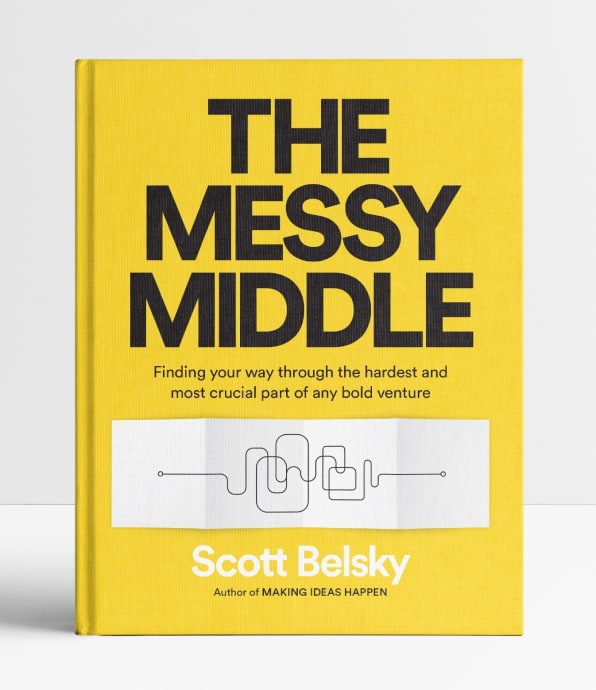
The Messy Middle: Finding Your Way Through The Hardest And Most Crucial Part Of Any Bold Venture by Scott Belsky

It’s crucial to have a sense of community in the workplace, but if your staff becomes too comfortable socializing only in small groups, you lose the opportunity for cross-collaboration and overall team building that comes from chance meetings. In order to promote this, consider redoing seating assignments every nine to 12 months (or, in a larger company, every few years). Sitting next to new people in a different part of the office is an easy way to prompt new relationships and perspectives and keep things fresh.

Change is painful and especially unwelcome when there is nothing dire to fix. But what you must realize–and relay to your team–is that proactive changes that feel premature are far better than reactive changes that feel inflicted upon you. As my friend Tim Ferriss once said, “The more voluntary suffering you build into your life, the less involuntary suffering will affect your life.”

Your challenge is to develop a healthy rhythm to keep your team in a constant state of motion. If you don’t shake up life every now and then, life will shake it up for you. Too much calm exacerbates any disruption, so building up your and your team’s tolerance for change is a positive long-term strategy for increasing tenacity.


This article is adapted from The Messy Middle by Scott Belsky. It is reprinted with permission by Portfolio, an imprint of Penguin Publishing Group, a division of Penguin Random House, LLC. Copyright © 2018 by Scott Belsky.


FastCompany.com | October 2, 2018