• About WordPress
    • WordPress.org
    • Documentation
    • Learn WordPress
    • Support
    • Feedback
  • Log In
  • LinkedIn
  • Facebook
  • X
p: 866.311.2514
First Sun Consulting, LLC | Outplacement Services and Career Transition Firm
  • Home
  • About
  • Services
    • Outplacement Services
    • Executive Coaching
    • Career Transition
  • Locations
  • Blog
    • Best of FSC Career Blog
    • FSC Career Blog
  • Members
    • FSC Career Modules
    • FSC LinkedIn Network
    • New! FSC AI Tools – Latest Technology for Resumes & Search
  • Our Clients
  • Contact Us
  • Menu Menu

Tag Archive for: #stressfulsituations

You are here: Home1 / FSC Career Blog – Voted ‘Most Read’ by LinkedIn.2 / #stressfulsituations

Posts

#Leadership : #StressManagement – The Difference Between Routine #Burnout & Something Serious…These Days, Most Jobs Come with a Dose of Stress. But if you Can’t Sleep at Night Due to the Anxiety, you Might Have a Bigger Problem.

August 2, 2018/in First Sun Blog/by First Sun Team

Have you ever had that feeling when the thought of going to work makes you physically ill? What was once your dream job becomes something you dread on a daily basis. You tell yourself that it’s just a phase, but it’s been days of feeling like this and you can’t seem to generate that spark you once had.

Of course, there can be many different reasons for your “blah” outlook. Perhaps you’ve just finished a big project and you’re feeling a little run down and in need of some R&R. Maybe you’re getting bored of your day-to-day responsibilities and need to take on some challenging projects to stretch your brain. Maybe you’re mentally and physically burned out, and you need more than just a vacation to get yourself back on track.

But how do you know when to ask for help, or just book a weekend away? After all, as Lindsay Goldwert pointed out in a previous Fast Company story, for most of us, stress is just part of our jobs. But experiencing it from time to time is different from having it dominate your life. Here’s how to determine when your lack of motivation might be a sign of a bigger problem you need to address.

BURNOUT TAKES MANY DIFFERENT FORMS

There are several common symptoms of burnout–tiredness, lack of productivity, irritability, and in extreme situations, the occurrence of panic attacks. But it manifests in different ways for different people, and there are many underlying issues that lead to it. For Due Quach, the founder and CEO of Calm Clarity, an organization that provides training on growth, leadership and resilience, her interaction with burnout occurred when everything in her professional life was going well, but she lost the motivation that drove her to “succeed” in the first place.

“The way I look at it is, the reason why we do our work is based on extrinsic motivation and extrinsic reward, and [fusion_builder_container hundred_percent=”yes” overflow=”visible”][fusion_builder_row][fusion_builder_column type=”1_1″ background_position=”left top” background_color=”” border_size=”” border_color=”” border_style=”solid” spacing=”yes” background_image=”” background_repeat=”no-repeat” padding=”” margin_top=”0px” margin_bottom=”0px” class=”” id=”” animation_type=”” animation_speed=”0.3″ animation_direction=”left” hide_on_mobile=”no” center_content=”no” min_height=”none”][those are] not aligned with what gives us an intrinsic reward and motivation,” Quach explains. She experienced her burnout while working in the financial industry. Having grown up as a refugee in a crime-ridden, low-income area, she worked in investment banking in order to achieve financial independence. “Once I attained those things, I lost that motivation to continue that slog. My body was telling me [that] I no longer found it rewarding.”

Other possible causes of work burnout might be unfair compensation, unreasonable workload, or too much overtime or after-hours work, according to a 2017 survey by Kronos and Future Workplace. Other reasons include toxic culture or having to work with a difficult boss and colleagues. Whatever the reasons might be, it’s helpful to identify where your feelings might be coming from. That’s the first step in determining the severity of the situation.


Related: These are the reasons why your whole team is burning out 


IDENTIFY WHERE YOUR BRAIN IS OPERATING MOST OF THE TIME

Quach categorizes our brains into three different modes of operation: Brain 1.0, Brain 2.0, and Brain 3.0. As she wrote in her book, Calm Clarity: How to Use Science to Rewire Your Brain for Greater Wisdom, Fulfillment, and Joy, Brain 1.0 is what we commonly know as the “fight or flight” mode–when we are afraid and anxious, and have trouble taking information clearly or make sound decisions. “Brain 2.0 is the reward system that’s activated by any reward,” Quach tells Fast Company. Examples might include coffee, substances, achievements, or being a VIP. In her book, she wrote, “When I’m in Brain 2.0, I can get so obsessed with getting the things I want, I impulsively strong-arm people to do things my way. This often leads me to act in ways that make others resent me. In this state, it’s also much harder to resist immediate gratification.” Brain 3.0, is the a state of mind where our activities and bigger purpose in life are aligned. “In Brain 3.0, I experience a deep and lasting sense of contentment, appreciation, and awe for being alive,” Quach wrote.

For those who suspect that they might be experiencing burnout, Quach suggests that they should think of their days like a pie, and identify what percentage of the pie they spend in Brain 1.0, Brain 2.0, and Brain 3.0 in any given day. “Hopefully you’re spending most of your time in Brain 3.0.” As you get closer to burnout, the part that gives you resilience shrinks more and gets closer to zero, she explains. This might be why the job that used to bring you so much energy now saps all the joy out of you. “When I was burning out, I was buying expensive things to try and keep Brain 3.0 activated so I can be more motivated to go to work. At the end of one week I had 10 glasses of wine. When you start to see these things shift, you’re relying more on self-medication,” Quach says. That’s a sign that you’re living in an unhealthy state.


Related: The fastest way to turn around career burnout 


Like this Article ?  Share It !    You now can easily enjoy/follow/share Today our Award Winning Articles/Blogs with Now Over 2.5 Million Growing  Participates Worldwide in our various Social Media formats below:

FSC LinkedIn Network:   www.linkedin.com/in/fscnetwork

Facebook:  http://www.facebook.com/pages/First-Sun-Consulting-LLC-Outplacement-Services/213542315355343?sk=wall

Google+:  https://plus.google.com/115673713231115398101/posts?hl=en

Twitter: Follow us @ firstsunllc

Question: Want the ‘the best/current articles/blogs on the web’ on Job Search, Resume, Advancing/Changing your Career, or simply Managing People?

Answer: Simply go to our FSC Career Blog below & type(#career, #leadership, #life) in Blog Search:  https://www.firstsun.com/fsc-career-blog/

What Skill Sets do You have to be ‘Sharpened’ ?

Continue of article:

CHECK YOUR PHYSICAL SYMPTOMS AND HEALTH HISTORY

Say you realized that you spend most of your time in Brain 1.0, and you feel that it’s time to get some professional help. How do you know who to reach out to? Quach recommends that to determine what kind of help is best–you should pay close attention to your physical symptoms as well as your health history. If your family has a history of depression, for example, and you suspect that your burnout might be a case of neurotransmitter imbalance, it might be worth seeing a psychiatrist. If you’re having trouble sleeping and your lack of sleep is exacerbating your burnout, it’s probably best to make an appointment with a medical doctor who specializes in sleep. If you don’t see any physical symptoms and it’s just about a lack of drive, perhaps a life coach might be a good person to contact. After all, you might just need someone to help you see “what is and isn’t a good career option for you, and see if reshaping your career makes sense,” Quach says.


Related: How employee burnout became an epidemic and what it might take to fix it 


ASK YOURSELF WHAT REALLY MATTERS

Physical symptoms aside, burnout is really about not spending your time in a way that aligns with your priorities and values. “There are groups of people who are so used to following the ‘right’ path,” Quach tells Fast Company. You can find many of these people in industries like law, finance, and medicine, Quach says. As a result, you tend to see a lot of burnout in those industries. On the other hand, those who are explorers and have taken more time to build their careers might have more agency over their professional life and have the view that they have a choice in how they shape their job. “When you’re in Brain 3.0, you can initiate the things that you care about. That prevents burnout,” Quach explains.

For those who still struggle to find their purpose, Quach suggests that they try writing a letter to their future aspirational self. “That usually creates a huge change in intrinsic motivation,” she said. Then it’s a matter of tweaking what’s in their environment. “People start to realize that burnout can be avoided because you make choices that express your higher self.”

ABOUT THE AUTHOR

Anisa is the Assistant Editor for Fast Company’s Leadership section. She covers everything from personal development, entrepreneurship and the future of work.

 More


FastCompany.com | August 2, 2018 | BY ANISA PURBASARI HORTON  6 MINUTE READ

[/fusion_builder_column][/fusion_builder_row][/fusion_builder_container]

https://www.firstsun.com/wp-content/uploads/2014/11/woman-stressed-about-bills-13.jpg 450 600 First Sun Team https://www.firstsun.com/wp-content/uploads/2018/05/logo-min-300x123.jpg First Sun Team2018-08-02 20:26:572020-09-30 20:46:19#Leadership : #StressManagement – The Difference Between Routine #Burnout & Something Serious…These Days, Most Jobs Come with a Dose of Stress. But if you Can’t Sleep at Night Due to the Anxiety, you Might Have a Bigger Problem.

#Leadership : #WorkSmart – 4 Ways to Make #Anxiety Work for You…Don’t let Anxiety Drive you into Overwhelm or Procrastination. Here are Four Ways to Beat It & Take Back your Focus.

July 11, 2018/in First Sun Blog/by First Sun Team

We’re getting more anxious.

A March 2018 survey from the American Psychiatric Association found that 39% of Americans report being more anxious than last year. Worries about everything from health to finances have us feeling more on edge.

But the word “anxiety” is one that people tend to throw around casually—and, sometimes, problematically. For some, anxiety is a debilitating condition that keeps them in “fight or flight” response and affects their ability to function. For others, anxiety is an edgy sensation that can be harnessed to improve performance, says Washington, D.C.-based licensed clinical psychologist Alicia H. Clark, author of Hack Your Anxiety.

If anxiety is unrelenting and chronically interfering with daily life, it’s a good idea to consult a doctor or mental health profession. But moderate anxiety can be useful, Clark says. “It’s always trying to tell us something that we care about. Alert us to things that we might not be noticing or tending to,” she says. Try these four ways to harness that anxious feeling and make it work for you.


Like this Article ?  Share It !    You now can easily enjoy/follow/share Today our Award Winning Articles/Blogs with Now Over 2.5 Million Growing  Participates Worldwide in our various Social Media formats below:

FSC LinkedIn Network:   www.linkedin.com/in/fscnetwork

Facebook:  http://www.facebook.com/pages/First-Sun-Consulting-LLC-Outplacement-Services/213542315355343?sk=wall

Google+:  https://plus.google.com/115673713231115398101/posts?hl=en

Twitter: Follow us @ firstsunllc

Question: Want the ‘the best/current articles/blogs on the web’ on Job Search, Resume, Advancing/Changing your Career, or simply Managing People?

Answer: Simply go to our FSC Career Blog below & type(#career, #leadership, #life) in Blog Search:  https://www.firstsun.com/fsc-career-blog/

What Skill Sets do You have to be ‘Sharpened’ ?

Continue of article:

NAME IT

When your anxiety is uncomfortable, explore what’s making you feel that way, Clark says. Explore the fear or nervousness and work on figuring out what’s at the heart of it. What is making you anxious? Why do you feel this way? Once you can name the feeling specifically, you can begin to address it and change your thinking about it, she says.

For example, if you’re doing a presentation to a new prospect and your anxiety about it is getting the better of you, think about why you’re feeling that way. It may be because you’re unsure of your presentation skills and need more practice. It could be because you really need this sale and you’re worried that you might not be successful. Each are valid reasons for feeling anxious, but have different remedies, she says. Let the anxiety tell you what you need to address for better performance.

CONFRONT IT

Sometimes, anxiety is trying to warn us of something or share a message about a risk or circumstance, says therapist and career coach Lauren Appio, PhD, founder of New York City-based Appio Psychological Consulting. “Often, that’s the reason why people go to therapy, so that they can become more attuned to those signals, when you tend to be able to say, “Okay, what I know about myself is that I tend to have this kind of reaction to situations where I feel incompetent or I felt inadequate,” she says. Think about the warning signs that lie in your anxiety, and what you need to address to be able to release it.

DIFFUSE IT

If your anxious feelings are overwhelming, give yourself a break, says Ashley Hampton, PhD, a Trussville, Alabama, psychologist who specializes in entrepreneurial productivity. Your ability to do this may vary, depending on the situation. If you’re about to speak in front of a group, you might need to do a few deep breathing exercises. If you’re getting overwhelmed with a big project, you may need to take a break from it and go for a walk, or do some mindless activity to distract yourself, she says.

Meditation may also be useful. One study from the University of Waterloo found that as little as 10 minutes of meditation helps anxious people have better focus. Plus, meditation delivers a host of other benefits.

REFRAME IT

Once you are clear on the reason for your feelings, you can begin to think about them in different ways—also called reframing–to your advantage. Anxiety, when it’s not overwhelming, can sharpen your focus and improve performance, Clark says.

So, instead of being fearful of the challenge you’re facing, work on focusing on the opportunity within it. Think about the positive aspects of being excited about the presentation and the potential benefit it holds. A 2017 study published in the Journal of Individual Differences found that people who acknowledged their anxiety were better able to use it to motivate them.

As more people feel the challenges of anxiety, listening to its messages and finding ways to release the negative aspects and channel its power into performance are important skills to master.

ABOUT THE AUTHOR

Gwen Moran writes about business, money and assorted other topics for leading publications and websites. She was named a Small Business Influencer Awards Top 100 Champion in 2015, 2014, and 2012 and is the co-author of The Complete Idiot’s Guide to Business Plans (Alpha, 2010), and several other books.

 More


FastCompany.com | July 11, 2018

https://www.firstsun.com/wp-content/uploads/2016/04/free-man-worried.jpg 4800 3203 First Sun Team https://www.firstsun.com/wp-content/uploads/2018/05/logo-min-300x123.jpg First Sun Team2018-07-11 12:27:342020-09-30 20:46:40#Leadership : #WorkSmart – 4 Ways to Make #Anxiety Work for You…Don’t let Anxiety Drive you into Overwhelm or Procrastination. Here are Four Ways to Beat It & Take Back your Focus.

Your #Career : 14 Everyday Habits That Drain Your Energy…Here are 14 Bad Habits that are Easy to Justify in the Moment, But are Hurtful in the Long Term.

May 2, 2018/in First Sun Blog/by First Sun Team

Habits are the foundation of who we are as a person and as a professional. We are the product of our everyday habits, and we choose every day whether we want to improve ourselves, maintain excellence or contribute to our own discontent. But first we must be aware of bad habits, so we can take the necessary steps to change them.

Here are 14 bad habits that are easy to justify in the moment, but are hurtful in the long term:

1- Taking Things Personally  

When you attribute every interaction a person has with you to how they feel about you, it’s exhausting and more often than not it’s not correct. Chances are, it’s not about you, and you’re not helping the situation by taking it personally. Nat taking things personally will save you a lot of stress and your workplace a lot of needless strain.

2- Holding On To The Past  

The past is what it is, there isn’t utility to holding grudges or being angry. The only person you’re impacting by holding on to the past is you. So let things go, if not for them, then for you.

3- Always Checking Email & Social Media  

If someone has to wait a couple of hours for an email, then they wait. The world won’t end, so relax.


 Like this Article ?  Share It !    You now can easily enjoy/follow/share Today our Award Winning Articles/Blogs with Now Over 2.5 Million Growing  Participates Worldwide in our various Social Media formats below:

FSC LinkedIn Network:   www.linkedin.com/in/fscnetwork

Facebook:  http://www.facebook.com/pages/First-Sun-Consulting-LLC-Outplacement-Services/213542315355343?sk=wall

Google+:  https://plus.google.com/115673713231115398101/posts?hl=en

Twitter: Follow us @ firstsunllc

Question: Want the ‘the best/current articles/blogs on the web’ on Job Search, Resume, Advancing/Changing your Career, or simply Managing People?

Answer: Simply go to our FSC Career Blog below & type(#career, #leadership, #life) in Blog Search:  https://www.firstsun.com/fsc-career-blog/

What Skill Sets do You have to be ‘Sharpened’ ?

Continue of article:

4- Constantly Worrying   

Worrying does not solve the problem. If something is out of your hands, then it’s out of your hands and there is no point in worrying about it. If there is something you can do about it, then stop worrying and take action. Worrying is a waste of energy, focus on what you can control.

5- Negativity  

If you are negative you are not part of the solution, you are part of the problem. You are not only draining your energy, you’re draining your colleagues’ energy, the workplace’s energy, your friends’ and family’s energy, etc. It is not productive, so try and focus on the positive.

6- Sleeping Too Much  

Sleeping too much does not increase your energy, create energy reserves or make you more present when you are awake. It has the opposite impact, too much sleep makes you lethargic. That being said, make sure you’re getting enough sleep, seven to eight hours a night, as it is a major contributor to your health and energy.

7- Poor Diet  

You know what I’m about to say, if you’re eating too much sugar, carbs and trans fat you’re just giving energy away to snacks and meals. Be thoughtful about what you eat, eat food that gives you energy, like greens, lean protein and healthy fats, not food that takes it away.

8- Complaining  

By complaining you are not only projecting negativity, but you’re forcing the people around you to work in spite of it. No one wants to be around the person who complains about everything. Do not be a part of the problem, be a part of the solution, because people do not want to hear it. Do something productive instead.

10- Not Following Through   

Promising a friend, a colleague or your boss something and not following through, you create more stress, anxiety and work for yourself on the back end, and it depletes your self-esteem. Do what you say you are going to do, when you say you will do it and you will have more energy and self-esteem.

11- Being A Passenger 

Being a passenger in your own life and career makes you feel like you are tagging along on your own life. Seize control and get in the driver’s seat. No one is going to care more about your life and career than you will, so if you are unhappy, seize control and change your life.

12- Overthinking  

Once you have thought things through and you make a decision, stand by it. Overthinking things is usually unproductive and just creates needless stress. Square with whatever risk you take with making a certain decision, do what you can to mitigate it, and then follow through. Overthinking doesn’t create a better outcome, it just drains your energy while you’re executing a tough decision, which isn’t good for you.

13- Gossiping And Participating In Drama  

Discussing and creating drama does nothing to advance or career or build better relationships with your colleagues and friends. It is wasting energy on something that likely has nothing to do with you and is not any of your business. Don’t expend energy discussing other people, or trying to make their life more difficult by causing drama. Put that energy into your own self-care and self-improvement.

14- Unhealthy Relationships 

In addition to not complaining, not gossiping and not causing drama, you should not surround yourself with people who do those things. They are toxic, and chances are, if they are talking about people behind their back, they are talking about you too. Surround yourself with people who are positive, and who dedicate their energy to their own excellence and lifting up those around them.

 15- Constantly Trying To Please Others  

You will never please everyone, so it’s best to just try and please yourself. Are you happy and proud of who you are? That’s all that matters, if some people do not like you when you’re at your best, that is not your issue, that is theirs.


Forbes.com | May 2, 2018 | Frances Bridges , CONTRIBUTOR

https://www.firstsun.com/wp-content/uploads/2017/11/woman-stressed-on-Laptop.jpeg 650 434 First Sun Team https://www.firstsun.com/wp-content/uploads/2018/05/logo-min-300x123.jpg First Sun Team2018-05-02 20:13:362020-09-30 20:47:30Your #Career : 14 Everyday Habits That Drain Your Energy…Here are 14 Bad Habits that are Easy to Justify in the Moment, But are Hurtful in the Long Term.

#Leadership : I Tried A #FourDayWorkweek For A Month And Ended Up More Stressed… I Learned to Implement some Good Work Habits, but I Felt Very Rushed to Do Everything.

February 8, 2018/in First Sun Blog/by First Sun Team

When it comes to “solutions” for work-life balance, we’ve been told to do everything from meditating to tracking our time. For the most part, employers have put the burden on employees to figure it out for themselves. However, in recent years, companies have recognized the productivity benefits they can gain from investing in employees’ work-life balance. In addition to corporate wellness programs, some have implemented the four-day workweek.

To me, the idea of a four-day work week seemed more like a fantasy than a plausible reality, mainly because I didn’t see how on earth I’d be able to finish all my work before Friday. But when I was reflecting on how my 2017 went professionally, I realized that I didn’t allocate as much time as I’d like on long-term projects. I wanted that to change in 2018.

I realized that most of the tasks I scrambled to finish on a Friday could be done ahead of time, with a little discipline and ruthless prioritization. So I decided to try and do my own version of a four-day workweek, where I’d try to finish my routine and important/urgent tasks on a Thursday, and keep Fridays for thinking and strategy work. Here’s how it went.


Related: 3 Questions To Ask As Soon As Your Work-Life Balance Starts Slipping


Like this Article ?  Share It !    You now can easily enjoy/follow/share Today our Award Winning Articles/Blogs with Now Over 2.5 Million Growing  Participates Worldwide in our various Social Media formats below:

FSC LinkedIn Network:   www.linkedin.com/in/fscnetwork

Facebook:  http://www.facebook.com/pages/First-Sun-Consulting-LLC-Outplacement-Services/213542315355343?sk=wall

Google+:  https://plus.google.com/115673713231115398101/posts?hl=en

Twitter: Follow us @ firstsunllc

Question: Want the ‘the best/current articles/blogs on the web’ on Job Search, Resume, Advancing/Changing your Career, or simply Managing People?

Answer: Simply go to our FSC Career Blog below & type(#career, #leadership, #life) in Blog Search:  https://www.firstsun.com/fsc-career-blog/

What Skill Sets do You have to be ‘Sharpened’ ?

Continue of article:

WEEK ONE: CATCHING UP AND PRIORITIZING

The day before I returned to the office from vacation, I made a conscious effort to spend my afternoon planning out what my week at work was going to look like. I realized that before I even started, I was already facing an obstacle–a short week. I had three days instead of four to do what I usually do across five days (not to mention catching up on things I didn’t quite get to during the last week of December.)

So the first step I did was sliced my goals in half–something I experimented with last year but have struggled to make a habit due to my tendency to overcommit. My new planner, the Full Focus Planner, made it a little easier since it was set up for me to write the three must-complete tasks of the day (rather than six, which I usually write.) However, I also made the mistake of including three extra “do if I have spare time” items, which of course, I never ended up doing.

My second obstacle was the “bomb cyclone” that hit the East Coast that week, forcing me to stay home and work. I did manage to do all my “urgent and important work” before Friday, by choosing to forego the quest of inbox zero–after all, 99% of the emails I receive are mere time-suck and of no productive value. I attempted to commit to a full day of deep work on Friday–editing a story, working on new story ideas, and strategizing how I can improve and grow our newsletters. However, I felt like my productivity level was at 50%. Some people work fine from home, but I’m just always less productive.


Related: 4 Ways To Trick Your Brain Into Keeping Your New Year’s Resolutions


WEEK TWO: DERAILED BY UNFORESEEN SICKNESS

I was determined to start week two with a bang, but toward the end of Monday, I started getting flu-like symptoms–which deteriorated into a full-on illness pretty quickly. I was out for two days, worked a not-so-productive day from home on Thursday, and when I was back in the office on Friday, I was–once again, playing catch-up. Surprisingly, while some of my long-term projects fell by the wayside, I did complete all my day-to-day obligations. The thing I let slide again? Achieving inbox zero.

WEEK THREE: ANOTHER SCHEDULED SHORT WEEK

By week three, I was mostly recovered from the flu, but faced a challenge of another short week. Our office was closed that Monday for MLK day. I had a vacation scheduled for that Thursday and Friday to celebrate my wedding anniversary. That left me with…two days to do five days of work.

By this time, I had already figured out what my time-sucking tasks were, so I either did them first in the morning to get it out of the way–or when it came to my inbox, I got through as much as I could and made more use of the “delete” button. Because I wasn’t in the office on Friday, I didn’t have a dedicated “deep work” day that week, but I did finish all my routine tasks and met my deadlines for the stories I was filing.

WEEK FOUR: SUCCESS AT LAST

I realized on Sunday night that week four was my last week of experimenting. I started wondering if it was worth carrying on another week. It hadn’t been a complete failure, but I only achieved my goal of deep-work only once, and that Friday wasn’t the most productive. Then I reminded myself that what I was doing was an experiment and not a goal–it was a strategy I wanted to try using to achieve my objective of doing more deep work.

I actually ended up achieving more in the last week than I did my entire experiment–because I finally had a five-day workweek to work with. I did have extra obligations that week, so I spent the first two hours of my Friday doing routine tasks before I moved on to my meaty projects. I found myself being even more hard-fisted about what I put on my to-do list, only writing down items that were truly important, whether they were urgent or not. I also started implementing procrastination breaks again–when I found myself slipping back into old, sporadic Twitter-checking habits. I might not have had the most successful start to this experiment, but by week four, I felt like I was getting the hang of it.


Related: Here’s What Happened To My To-Do List When I Embraced Procrastination


I WAS MORE STRESSED, BUT I DEVELOPED BETTER WORK HABITS AND PRACTICES

At the end of my experiment, I felt conflicted about the four-day workweek. First, it made me more stressed. Unpredictable work came up, other tasks got pushed to the bottom of my to-do pile, but at some point, they still needed to be done. As a result, I ended up working longer hours to fit everything into my four-day deadline. Some days, that was worth doing, but other days, I just felt exhausted or annoyed that I had to cancel my evening plans.

That being said, my failures forced me to take a closer look at my work habits, and be a lot more rigorous about planning, reflecting, and readjusting my plans when last-minute work comes up. I now dedicate Sunday evenings to reflect on the progress that I made the week before, and use those insights to plan out how I’m going to tackle the upcoming workweek. Also, now I never leave work without writing my to-do list for the next day (which gives me no choice but to look at my progress, or lack of progress), for that day.


Related: Six Simple Sunday Habits To Set You Up For A Productive Week


THE LIMITATIONS OF A FOUR-DAY WORKWEEK

I have no doubts that a four-day workweek can work for some organizations. But since I work in a field that requires a degree of reactive work, it’s not always easy to plan ahead and cram five days of work in four days.

That said, I might have written a completely different article if I tried it during a time when my workload was light, and when I wasn’t hit with an unexpected illness. When our office tried summer Fridays during the slower month of July and August (we ended the workday at 2 p.m.), I didn’t feel overwhelmed. Going forward, I think I will still plan my week so that I can reserve Friday for deep work, but I’m not going to stress if I don’t finish everything by Thursday.

ABOUT THE AUTHOR

Anisa is the Editorial Assistant for Fast Company’s Leadership section. She covers everything from personal development, entrepreneurship and the future of work.

More

FastCompany.com | January 8, 2018 | BY ANISA PURBASARI HORTON 6 MINUTE READ

https://www.firstsun.com/wp-content/uploads/2017/07/man-with-watch.jpeg 350 477 First Sun Team https://www.firstsun.com/wp-content/uploads/2018/05/logo-min-300x123.jpg First Sun Team2018-02-08 16:58:082020-09-30 20:48:57#Leadership : I Tried A #FourDayWorkweek For A Month And Ended Up More Stressed… I Learned to Implement some Good Work Habits, but I Felt Very Rushed to Do Everything.

#Leadership : 12 Apps to Help Ease Anxiety Struggling with Anxiety? These Apps Can Help you Get Things Under Control.

November 9, 2016/in First Sun Blog/by First Sun Team

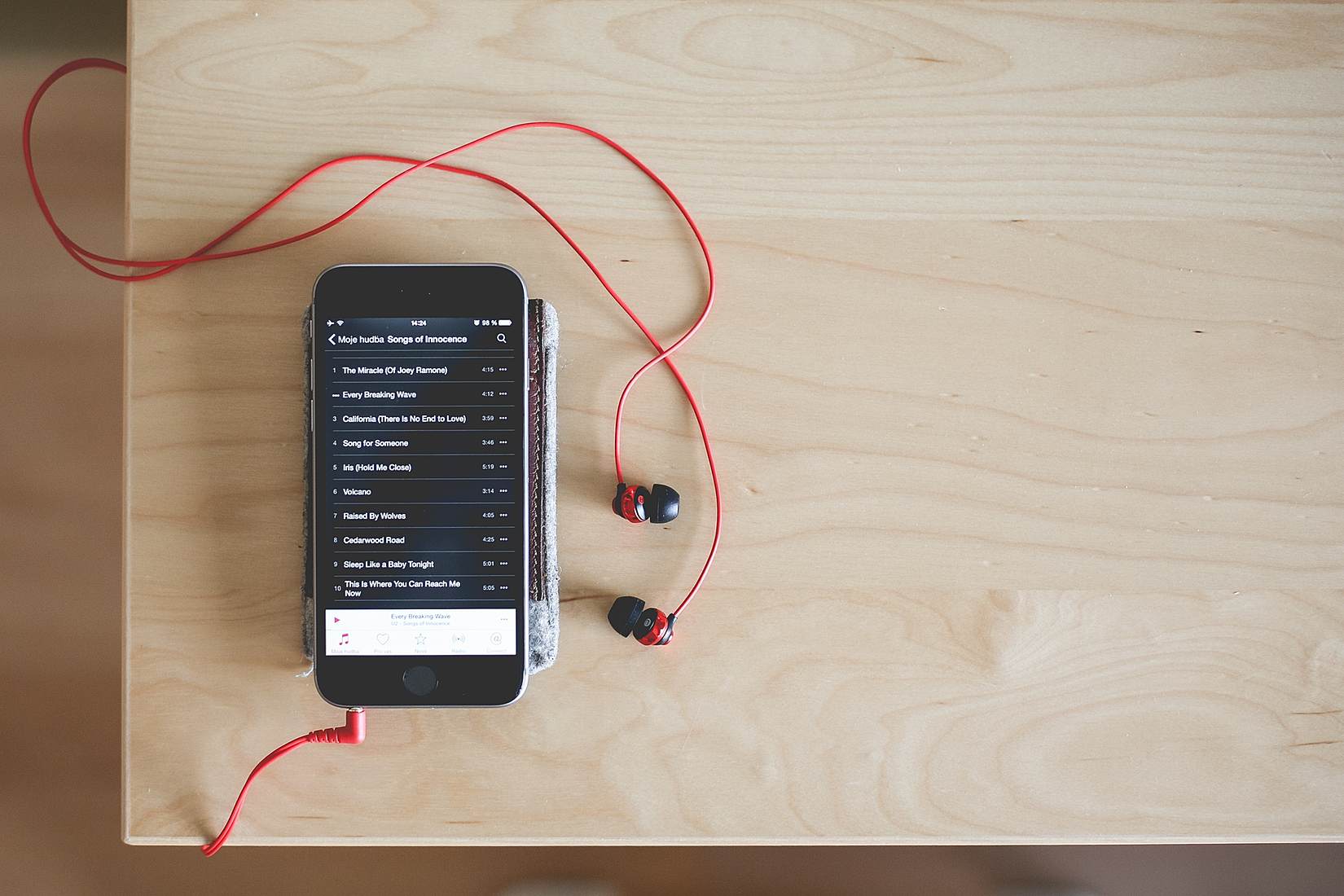
Yes, there’s an app for that too. The 12 below help with stress management, sleep and more, easing anxiety and helping you live a healthier, happier life.

Free- Iphone with Gadgets

Pacifica: Track and rate your mood over time, learn muscle relaxation exercises and deep breathing techniques and set health goals for yourself. You can record your thoughts to develop positive thinking patterns and identify toxic ones. The app also helps users understand personal triggers.

Breathe2Relax: This app does exactly what it promises. Created by the National Center for Telehealth & Technology, it aids in diaphragmatic breathing that decreases the body’s natural “fight-or-flight” response — a big aspect of anxiety, anger and general mood instability.


Like this Article ?  Share It !    You now can easily enjoy/follow/share Today our Award Winning Articles/Blogs with Now Over 2.5 Million Growing  Participates Worldwide in our various Social Media formats below:

FSC LinkedIn Network: (Over 15K+ Members & Growing !)   www.linkedin.com/in/frankfsc/en

Facebook: (over 12K)   http://www.facebook.com/pages/First-Sun-Consulting-LLC-Outplacement-Services/213542315355343?sk=wall

  • Google+: (over 800K)https://plus.google.com/115673713231115398101/posts?hl=en
  • Twitter: Follow us @ firstsunllc

educate/collaborate/network….Look forward to your Participation !

Continue of article:

Headspace: Stress, memory loss, focus, interpersonal relationships, creative blocks… this “personal trainer for the mind” app covers it all. 10-minute meditation lessons aim to strengthen health, performance and relationships. This app is on the pricier side though — subscriptions cost between $6.24 and $12.95 a month.

Positive Activity Jackpot: Another app from the National Center for Telehealth & Technology. This one uses a therapeutic method known as Pleasant Event Scheduling (PES), recommending activities based on the user’s location and interests. You can invite friends, save favorite spots and tag activities you participate in for future reference.

PTSD Coach: Created by the National Center for PTSD, this app helps veterans suffering or at risk of suffering from Post Traumatic Stress Disorder. With educational material and a self-assessment tool, it enables users to manage stress and find support.

Recovery Record: This highly rated app draws on cognitive behavioral therapy and self-monitoring methods to help manage eating disorders. Users can keep a food journal, make meal plans and learn coping methods. Questionnaires help track their progress and produce visual charts documenting their journey.

Worry Watch: This journaling tool has a simple user interface where users can log instances of worry, fear and anxiety. They can also add the outcome of each situation, which provides a comparison between expectation and reality that helps reduce anxiety over time.

I Can Be Free: This app helps with anxiety, phobias, insomnia and low self-esteem, offering more than 50 audio hypnosis sessions by well known hypnotist Jacob Strachotta. The sessions help target a variety of common fears.

Relax Melodies: This sleeping aid fights insomnia and stress with more than 50 fully customizable sounds and tunes. The blog also offers lifestyle tips to improve sleep.

Mindshift: Aimed at teens and young adults suffering from anxiety, this app allows users to log thoughts and feelings. It also offers exercises that encourage positive thinking.

Stress Doctor: This app takes you on a deep breathing exercise to promote calmness and can bring your heart rate down in five minutes. The app provides instant feedback with breath and pulse monitoring and tracks long-term progress.

Optimism: Helping with depression and bipolar disorder, this app helps users track their moods and keep daily records of their symptoms, plus log triggers or things that help them stay positive. Graphs of this data give users a visual breakdown of their well being.


Entrepreneur.com | November 9, 2016 | Andrew Gazdecki


https://www.firstsun.com/wp-content/uploads/2015/11/Free-Iphone-with-Gadgets.jpg 1100 1650 First Sun Team https://www.firstsun.com/wp-content/uploads/2018/05/logo-min-300x123.jpg First Sun Team2016-11-09 16:23:382020-09-30 20:50:12#Leadership : 12 Apps to Help Ease Anxiety Struggling with Anxiety? These Apps Can Help you Get Things Under Control.

#Leadership : How To Keep Working Productively When You’re Under Extreme Stress…You’ve got a Big Job with Bigger Responsibilities. Then Disaster Strikes. Here’s How to Keep it Together.

November 7, 2016/in First Sun Blog/by First Sun Team
Say you’re a high performer who’s risen through the ranks. Now you have even bigger responsibilities. Or you’re working your way toward a promotion and need to show your skills and professionalism in the best light. Then the phone call comes. The results of your medical tests weren’t good. Or you suddenly have to take care of a loved one in an emergency. Or there’s an unexpected financial hit that could spell catastrophe.
Free- Locks

Whatever the situation, your life just got much more complicated. While intuitively you know that these things can happen to anyone, the anxiety of dealing with such troubling events, coupled with the pressure to continue to perform in your job, amps up the stress to DEFCON 1.

“A curveball like that requires sharpening your coping skills and expanding them so that you can deal with what’s being demanded of you,” says clinical psychologist Alicia H. Clark, adjunct professor at the Chicago School of Professional Psychology. And there is a strategic approach you can take to help you cope and perform better, even when you’re operating under extreme stress.

IDENTIFY WHAT YOU CAN CONTROL

Part of the anxiety that occurs during such urgent situations comes from feeling a loss of control, says Matthew Digeronimo, a retired nuclear submarine lieutenant commander and coauthor of Extreme Operational Excellence: Applying the U.S. Submarine Culture to Your Organization. He recommends identifying the things you can adapt or adjust to regain some of that feeling of order. “If a family member is ill, you might not be able to control the illness. But you can control the manner in which you rally around that person. You can control your working hours, or the way you react to it,” he says.

Part of the anxiety that occurs during such urgent situations comes from feeling a loss of control.

If you can schedule meetings or calls during your high-energy times, or work from home one day a week, take advantage of those options. Use the power you do have to adapt your life to deal with your new situation for the time being, he says.


Like this Article ?  Share It !    You now can easily enjoy/follow/share Today our Award Winning Articles/Blogs with Now Over 2.5 Million Growing  Participates Worldwide in our various Social Media formats below:

FSC LinkedIn Network: (Over 15K+ Members & Growing !)   www.linkedin.com/in/frankfsc/en

Facebook: (over 12K)   http://www.facebook.com/pages/First-Sun-Consulting-LLC-Outplacement-Services/213542315355343?sk=wall

  • Google+: (over 800K)https://plus.google.com/115673713231115398101/posts?hl=en
  • Twitter: Follow us @ firstsunllc

educate/collaborate/network….Look forward to your Participation !

Continue of article:

IDENTIFY THE “MUST-DOS”

We all have tasks that need to get done to fulfill our responsibilities. However, high-performing individuals often go beyond the basics and take on other to-dos—that’s often what makes them high performers, Clark says. Now is the time to scale back to the most necessary and immediate task. Ask yourself these key questions:

  • Where can I cut back?
  • Where can I save time?
  • What can I put off without much consequence?

For example, do you need to take that trip to China now? Or can you cut back to visiting two states instead of three on your next trip? Can support staff handle some of the legwork on that upcoming report? Once you have a sense of where your time needs to be spent, you can create a list of priorities to ensure you’re getting the essentials done. Then you can decide whether you have time or energy to take on more.

ACCEPT “GOOD ENOUGH”—FOR NOW

This is also a good time to let go of perfectionism and accept “good enough,” Clark says. When you’re good at and take pride in what you do, it can be tough to do the minimum acceptable job. Sometimes, that’s what’s necessary to free up time and energy you need for other things to prevent burnout, she says.

SLOW DOWN

Extreme stress can affect decision making as well. Recent research from the University of Pittsburgh found that anxiety affects the brain’s prefrontal cortex, which regulates problem solving, impulse control, and emotion regulation.

If necessary, take more time to make decisions or take action to be sure you get it right.

Unlike typical periodic stress, where you may feel the pressure of events that happen from time to time, unrelenting stress doesn’t give you time for recovery, says Richard Citrin, PhD, founder of Citrin Consulting, a talent and leadership development consultancy, and author of The Resilience Advantage: Stop Managing Stress and Find Your Resilience. So your decision-making abilitymay be taking a beating.

As a result, you need to be more intentional about what you’re doing. Gather your facts methodically, and if necessary, take more time to make decisions or take action to be sure you get it right, he says.

SHARE SELECTIVELY

Another decision you’ll need to make is what—and how much—to tell those around you. Should you tell your boss that your parent is ill? Should you tell your boss or coworkers that you’re going through a divorce? There’s no one-size-fits-all solution here, Digeronimo says.

It’s important to practice good self-care.

If the situation will require you to change some of your work habits or be out of the office, then it’s probably a good idea to tell your boss the basics and share your plan for managing the situation. He thinks it’s not a good idea to share too much with coworkers, as it can breed gossip and office politics. “For most of us, our coworkers are not our source of support,” he says. “I think it can only add to your stress level if you share these types of details with them.”

GIVE YOURSELF A BREAK

When Citrin’s daughter was diagnosed with breast cancer several years ago, he and his wife both had full-time careers. He says that one of the most important lessons he learned throughout the experience was to accept help from other people so that he could free up time to help his daughter. He says it can be hard for people who are used to handling everything themselves to ask for or accept help from others, but even allowing a neighbor to bring over a meal can relieve one of your many demands. Clark adds that it’s important to practice good self-care, including getting enough sleep, exercising, and trying to manage your stress.

Chances are that you’re going to have to juggle a personal emergency with your work at some point. Understanding how to keep your work life intact while managing extreme stress requires a combination of cutting back, being mindful, and taking care of your own needs, so you can address both work and personal demands.


FastCompany.com | GWEN MORAN  | 11.07.16 5:43 AM


https://www.firstsun.com/wp-content/uploads/2015/12/Free-Locks.jpg 1100 1650 First Sun Team https://www.firstsun.com/wp-content/uploads/2018/05/logo-min-300x123.jpg First Sun Team2016-11-07 17:01:272020-09-30 20:50:14#Leadership : How To Keep Working Productively When You’re Under Extreme Stress…You’ve got a Big Job with Bigger Responsibilities. Then Disaster Strikes. Here’s How to Keep it Together.

#Leadership : 8 Powerful Ways To Conquer Stress… As Simple as These Strategies May Seem, They are Difficult to Implement When your Mind is Clouded with Stress. Force Yourself to Attempt Them the Next Time your Head is Spinning, and You’ll Reap the Benefits that Come with Disciplined Stress Management.

September 29, 2016/in First Sun Blog/by First Sun Team

The ability to manage your emotions and remain calm under pressure has a direct link to your performance. TalentSmart has conducted research with more than a million people, and we’ve found that 90% of top performers are skilled at managing their emotions in times of stress in order to remain calm and in control.

happy young business man portrait in bright modern office indoor

Stress has a funny way of sneaking up on you when you least expect it, but how you respond is only half the battle. The secret to winning the war against stress lies in what you do when you aren’t working (and presumably aren’t as stressed). Otherwise, you fall into bad habits that can magnify your stress, rather than alleviate it.

You need to shift gears to these relaxing and rejuvenating activities during your time off:

#1: Exercise

No time to exercise during the week? You have 48 hours every weekend to make it happen. Getting your body moving for as little as 10 minutes releases GABA, a soothing neurotransmitter that reduces stress. Exercise is also a great way to come up with new ideas. Innovators and other successful people know that being outdoors often sparks creativity.


Like this Article ?  Share It !    You now can easily enjoy/follow/share Today our Award Winning Articles/Blogs with Now Over 2.5 Million Growing  Participates Worldwide in our various Social Media formats below:

FSC LinkedIn Network: (Over 15K+ Members & Growing !)   www.linkedin.com/in/frankfsc/en

Facebook: (over 12K)   http://www.facebook.com/pages/First-Sun-Consulting-LLC-Outplacement-Services/213542315355343?sk=wall

  • Google+: (over 800K)https://plus.google.com/115673713231115398101/posts?hl=en
  • Twitter: Follow us @ firstsunllc

educate/collaborate/network….Look forward to your Participation !

Continue of article:

#2: Minimize Chores

Chores have the tendency to monopolize your free time. When this happens, you lose the opportunity to relax and reflect. What’s worse is that a lot of chores feel like work, and if you spend all weekend doing them, you just put in a seven-day workweek. To keep this from happening, you need to schedule your chores like you would anything else during the week, and if you don’t complete them during the allotted time, you move on and finish them the following weekend.

#3: Disconnect

Disconnecting is the most important strategy on this list, because if you can’t find a way to remove yourself electronically from your work, then you’ve never really left work. Making yourself available to your work 24/7 exposes you to a constant barrage of stressors that prevent you from refocusing and recharging. If taking the entire weekend off handling work e-mails and calls isn’t realistic, try designating specific times on Saturday and Sunday for checking e-mails and responding to voicemails. For example, check your messages on Saturday afternoon while your kids are getting a haircut and on Sunday evenings after dinner. Scheduling short blocks of time will alleviate stress without sacrificing availability.

Bringing It All Together

As simple as these strategies may seem, they are difficult to implement when your mind is clouded with stress. Force yourself to attempt them the next time your head is spinning, and you’ll reap the benefits that come with disciplined stress management.

Travis Bradberry,  CONTRIBUTOR

I cover emotional intelligence and leadership performance.

Opinions expressed by Forbes Contributors are their own.

How do you manage stress? Please share your thoughts in the comments section as I learn just as much from you as you do from me.

Travis co-wrote the bestselling book Emotional Intelligence 2.0 and co-founded TalentSmart.

Forbes.com | September 29, 2016 

https://www.firstsun.com/wp-content/uploads/2016/04/free-man-worried-4.jpg 4912 7360 First Sun Team https://www.firstsun.com/wp-content/uploads/2018/05/logo-min-300x123.jpg First Sun Team2016-09-29 12:25:342020-09-30 20:50:36#Leadership : 8 Powerful Ways To Conquer Stress… As Simple as These Strategies May Seem, They are Difficult to Implement When your Mind is Clouded with Stress. Force Yourself to Attempt Them the Next Time your Head is Spinning, and You’ll Reap the Benefits that Come with Disciplined Stress Management.

#Leadership : 4 Stress-Management Tips for Reducing Anxiety and Getting More Done…If you Let Stress Consume you, it can Hurt your Productivity and Eventually Impact your Bottom Line. For that Reason, it’s Important to find Coping Mechanisms that Allow you to Worry Less.

July 22, 2016/in First Sun Blog/by First Sun Team

Anxiety not only impacts your productivity, but it also disrupts your health and well-being. By learning how to manage your stress and finding healthier ways to cope, you can eventually begin to enjoy the chaos of the day.

Free- Barbed Wire

Stress is an inevitable part of working for or running a business. Despite its many rewards, it can be difficult to ignore the many pressures that come with an entire company resting on your shoulders. As your business grows and you bring on more employees, that sense of responsibility will only increase, leading to varying degrees of anxiety.

If you let stress consume you, it can hurt your productivity and eventually impact your bottom line. For that reason, it’s important to find coping mechanisms that allow you to worry less. You’ll then be able to focus on what needs to be done, which is growing your business. Here are a few tips for keeping your entrepreneurial anxiety in check.

1. Set goals and work toward them.

Anxiety often comes as a result of trying to accomplish everything at once. Instead, cut your larger goals into small, manageable chunks and work toward reaching each small milestone every day. Celebrate when you make significant progress toward a goal. Over time, you’ll learn to pay more attention to what you’ve accomplished rather than feeling daunted by the many things you have left to do.

Related: Calm Down and Take These 7 Daily Steps to Deal With Stress

Experts recommend rewarding yourself as you reach certain milestones. That will give you something to look forward to in the near future, which will also keep you from looking past the milestone to what you’ll need to do next. Set aside time each month or quarter to review your long-term goals and update your progress on each of them. You’ll likely notice how much you’ve accomplished in the previous term and feel good about your momentum.


Like this Article ?  Share It !    You now can easily enjoy/follow/share Today our Award Winning Articles/Blogs with Now Over 2.5 Million Growing  Participates Worldwide in our various Social Media formats below:

FSC LinkedIn Network: (Over 15K+ Members & Growing !)   www.linkedin.com/in/frankfsc/en

Facebook: (over 12K)   http://www.facebook.com/pages/First-Sun-Consulting-LLC-Outplacement-Services/213542315355343?sk=wall

  • Google+: (over 800K)https://plus.google.com/115673713231115398101/posts?hl=en
  • Twitter: Follow us @ firstsunllc

educate/collaborate/network….Look forward to your Participation !

Continue of article:

2. Outsource and automate.

Business owners often work long, tiring hours, whether they’re running a one-man operation or they have a full staff. Either way, it’s important to find ways to offload as many daily tasks as possible. The more routine the duty, the more likely someone else should handle it. If you can’t afford a salaried worker, consider a part-time entry-level worker or outsourcing to a freelancer.

In addition to human service providers, you can also use technology to free up time without sacrificing work output. Software can take over your invoicing and bookkeeping features, for instance, often without the errors that you might make when you’re multitasking or rushing to get to your next meeting.

3. Learn coping mechanisms.

“Mind over matter” may sound like jargon, but anxiety and stress really are under your control. Relaxation techniques can help you when stress is at its worst, with your mind racing and your body tense. You don’t have to take an hour or two to attend a class to practice relaxation. In fact, you can just lock yourself in your office for 15 minutes in the middle of the day and do a few exercises to center your mind.

Related: How Successful People Deal With Stress

For some, however, learning to relax is an art. Look for meditation classes or mindfulness-based yoga courses near you. You’ll be able to take the information you learn in class with you throughout the week. Over time, you probably won’t need a class at all to utilize healthier ways to deal with stress.

“As a business owner and trial attorney, anxiety is a natural and healthy thing,” says Robert May, founder of The May Firm. “However, when it feels too big I really try to step back and take a couple minutes to put things back into perspective. I take a few calming breaths and focus on the task at hand and not everything that needs to be done. Also, take time to do something for yourself.  Sometimes just taking my dog for a 30-minute hike really helps.”

4. Recognize clinical anxiety.

For some people, anxiety goes beyond a reaction to daily stressors. If your anxiety is getting in the way of living a happy, productive life, it may be time to seek professional help. With an anxiety disorder, you feel general anxiety about life events even when that level of anxiety wouldn’t seem merited by others. In some cases, anxiety can accompany clinical depression or panic attacks.

“Anxiety disorders are among the most common mental illnesses in the United States,” says Cole Rucker, CEO at Paradigm New York, a center that works with teens suffering from anxiety and depression. “With treatment, you can learn coping mechanisms and even find medication that helps regulate the condition, which will in turn help you lead a healthy, productive life.”

Related: 4 TED Talks to Help You Deal With Stress and Anxiety

Anxiety not only impacts your productivity, but it also disrupts your health and well-being. By learning how to manage your stress and finding healthier ways to cope, you can eventually begin to enjoy the chaos of the day. Whether you use relaxation techniques or learn to meditate, just a few minutes when stress is at its worst can make a big difference.


Entrepreneur.com | July 22, 2016 | Dan Steiner


https://www.firstsun.com/wp-content/uploads/2015/11/Free-Barbed-Wire1.jpg 1100 1650 First Sun Team https://www.firstsun.com/wp-content/uploads/2018/05/logo-min-300x123.jpg First Sun Team2016-07-22 13:06:472020-09-30 20:51:31#Leadership : 4 Stress-Management Tips for Reducing Anxiety and Getting More Done…If you Let Stress Consume you, it can Hurt your Productivity and Eventually Impact your Bottom Line. For that Reason, it’s Important to find Coping Mechanisms that Allow you to Worry Less.

#Leadership : Feeling Overwhelmed? Take A Minute (Really 1 Min) & Read This…If you Find you’re Overwhelmed, Take the Time to Process this Privately, So that Public Communication to Employees & Others Can be Done Professionally & Proactively.

July 19, 2016/in First Sun Blog/by First Sun Team

We all feel overwhelmed at times. Unfortunately, this is a normal feeling for most of us. The important thing is to realize that this is a momentary state. By shifting into action, you can get rid of this uncomfortable feeling.

Sad businessman sitting at workplace and trying to find solution of problem

In most cases, the first reaction to something that’s frustrating is to focus on how this is not a great situation and question, “Why is it happening to me?” This kind of thinking, while natural, is not conducive to resolving the situation. The best thing you can do to alleviate this feeling is to start taking action and focus your energy on resolution.

In almost all situations where you feel overwhelmed, follow this five-step plan:

• Slow down

• Ask questions

• Get your bearings

• Develop a plan that you believe in

• Take proactive actions

Recognizing that feeling overwhelmed is an emotional state that can be overcome through a measured, practiced approach has been one of the skills I’ve benefitted most from over my career (I’ve had several jobs that have had lots of crises and drama in them. I’m not sure why I’m so lucky). For more on this topic, David Rock’s Your Brain at Work gives a fantastic overview of the cognitive limits of the brain.


Like this Article ?  Share It !    You now can easily enjoy/follow/share Today our Award Winning Articles/Blogs with Now Over 2.5 Million Growing  Participates Worldwide in our various Social Media formats below:

FSC LinkedIn Network: (Over 15K+ Members & Growing !)   www.linkedin.com/in/frankfsc/en

Facebook: (over 12K)   http://www.facebook.com/pages/First-Sun-Consulting-LLC-Outplacement-Services/213542315355343?sk=wall

  • Google+: (over 800K)https://plus.google.com/115673713231115398101/posts?hl=en
  • Twitter: Follow us @ firstsunllc

educate/collaborate/network….Look forward to your Participation !

Continue of article:

At this point, I don’t need to actually have achieved improvement to get rid of the overwhelmed feeling; I just need a plan that I believe in that I can start executing.

Here are a few recommendations that work:

• Proactively manage your calendar and your to-dos. Anticipate as much as possible. Ask yourself, what’s likely to interrupt the most important things? Develop ways to absorb the “bomb-ins.”

• Don’t expect perfection on all of your to-dos, but expect to accomplish the most important things. I’ve always found that worrying about how long something will take to get done is far worse than the actual time it usually takes to do it. So, as Nike says, “Just do it.”

• Build time in every week for reflection and ensuring you’re grounded on what matters most. All of us are busy, but we must not confuse action with traction.

• Try very hard to not be a bottleneck. This will make you much more likable and make the team much more productive.

We’re all faced with feeling overwhelmed at times, but it’s not becoming for a leader to appear overwhelmed. Remember, people will take their cue on how to handle a situation from you. You will generally have information ahead of most others in the company. If you find you’re overwhelmed, take the time to process this privately, so that public communication to employees and others can be done professionally and proactively.

The most important thing to do when you are overwhelmed is to stay calm , and recognize that the best thing to do to conquer the sensation is to shift into taking action and executing on a well-thought out plan. Good luck and onward!  

Forbes.com | July 19, 2016 | Maynard Webb

https://www.firstsun.com/wp-content/uploads/2016/04/free-man-worried.jpg 4800 3203 First Sun Team https://www.firstsun.com/wp-content/uploads/2018/05/logo-min-300x123.jpg First Sun Team2016-07-19 20:17:042020-09-30 20:51:33#Leadership : Feeling Overwhelmed? Take A Minute (Really 1 Min) & Read This…If you Find you’re Overwhelmed, Take the Time to Process this Privately, So that Public Communication to Employees & Others Can be Done Professionally & Proactively.

Blog Search

Login/Register

  • Log in
  • Entries feed
  • Comments feed
  • WordPress.org

FSC Career Videos

  • Job Search Techniques | Start Here
  • Resume/Cover Letter
  • Interviewing
  • Additional Career Videos
  • FSC Career Blog – #1 Career Library LinkedIn

Recent Posts

  • #YourCareer : AI Won’t Decide Your Career. Your Habits Will. Four AI Practices Worth Considering Now! MUst REad! February 24, 2026
  • #JobSearch : 5 Work-From-Anywhere Remote Jobs That Pay Up To $200,000+ In 2026. Great REad! February 21, 2026
  • #YourCareer : Jobs Skills Are Changing Rapidly. What You Need To Prepare. Here are Five Ways to Stay Current Without Burning Yourself Out. Great REad! February 17, 2026
© Copyright - First Sun Consultation - Website Maintained by BsnTech Networks - Enfold WordPress Theme by Kriesi
Scroll to top