• About WordPress
    • WordPress.org
    • Documentation
    • Learn WordPress
    • Support
    • Feedback
  • Log In
  • LinkedIn
  • Facebook
  • X
p: 866.311.2514
First Sun Consulting, LLC | Outplacement Services and Career Transition Firm
  • Home
  • About
  • Services
    • Outplacement Services
    • Executive Coaching
    • Career Transition
  • Locations
  • Blog
    • Best of FSC Career Blog
    • FSC Career Blog
  • Members
    • FSC Career Modules
    • FSC LinkedIn Network
    • New! FSC AI Tools – Latest Technology for Resumes & Search
  • Our Clients
  • Contact Us
  • Menu Menu

Archive for category: First Sun Blog

You are here: Home1 / FSC Career Blog – Voted ‘Most Read’ by LinkedIn.2 / First Sun Blog

#Life : 25 Best Habits to Have in Life…If you are Committed to Happiness and Success, Work These into your Daily Routine.

December 3, 2016/in First Sun Blog/by First Sun Team

We are creatures of habit. Everything we think, say and do is a result of deep-seated habits etched into our minds through years and years of repitious behavior. Those very same habits either help to propel us forward or to hinder our progress in life. In fact, the state and quality of our lives right now is a direct reflection of our daily habits. 

free-road-bend

Habits are an undeniably powerful part of life. They’re an integral part of the underlying behavioral psychology that shapes the direction of our lives. They’re so integral that a study determined that approximately 45 percent of everything we do on a daily basis is driven by our habits.

Parting ways with our bad habits and replacing them with good habits is by no means a simple task. It takes commitment, willpower and an unwavering desire to overcome our seemingly natural tendencies to think, feel, speak and act in a certain way.

Related: 10 Bad Habits You Must Eliminate From Your Daily Routine

Clearly, for those absolutely committed to things like happiness and success, habits offer the pathway to enrichment in life. They’re also the tools we use to help automate our progress towards one end or another, assisting us with the achievement of our goals and the fulfilment of our dreams.

Still, for the most part, we’re often left in the dark. We’re unsure of ourselves or where to start on the road to developing good habits. What are the best habits to have in your life when you want to succeed or be happy? Are there some that usurp others, providing some secret magical recipe for achieving life’s loftiest goals?

What are the best habits to have in life?

While any list of habits concoted might seem subjective, there are, in fact, 25 particular habits that will not only help you to succeed, financially speaking, but will also keep you healthy, happy and fulfilled in life. Focus on these 25 habits, consistently making efforts to instill them into your daily routine, and in time, your progress and momentum towards your goals will skyrocket.

1. Wake up early.

The early morning hours are a time for peaceful reflection and ample productivity, where the world is still and asleep, allowing you to focus wholeheartedly on your long-term goals. Anyone who is serious about success in any measure knows that it’s important to wake up early.

Even if you’re not a morning person, use incremental changes in your daily routine to start waking up earlier and earlier. Begin by setting your alarm clock back by 15 minutes the first week, 15 minutes the next week and so on. Do this until you can wake up at least two hours earlier than you’re waking up now.

2. Gratitude.

We spend a great deal of time immersed in our problems. But problems are also a sign of life. The only time we’ll lack problems is when we’re six feet under. And if you want to shift your focus away from your problems, you have to be grateful for what you have. Yes, even for your problems.

Gratitude is the surest pathway to health, happiness and success. It shifts our attention towards what we have rather than what we don’t have. It’s the natural abundance of simple pleasures and opportunities that we’ve been afforded with and blessed with that we often take for granted.


Like this Article ?  Share It !    You now can easily enjoy/follow/share Today our Award Winning Articles/Blogs with Now Over 2.5 Million Growing  Participates Worldwide in our various Social Media formats below:

FSC LinkedIn Network: (Over 15K+ Members & Growing !)   www.linkedin.com/in/frankfsc/en

Facebook: (over 12K)   http://www.facebook.com/pages/First-Sun-Consulting-LLC-Outplacement-Services/213542315355343?sk=wall

  • Google+: (over 800K)https://plus.google.com/115673713231115398101/posts?hl=en
  • Twitter: Follow us @ firstsunllc

educate/collaborate/network….Look forward to your Participation !

Continue of article:

3. Smile.

Studies have confirmed that people who smile a genuine smile (also referred to as a Duchenne smile) are happier in life. This is one of the best habits for allowing you to find emotional, mental and spiritual peace-of-mind over time — simply by placing a smile on your face.

The physiology of our bodies dictates the psychology of our minds. When we frown or slouch or do any number of other things that convey a sense of depression and unhappiness, our mind takes those cues and runs with them. However, once we shift our outward appearance by consciously adjusting ourselves, our inward feelings follow.

4. Eat a healthy breakfast.

Breakfast is an important part of life. Yet, 31 million Americans skip breakfast every single day. And that saying you’ve heard your entire life about breakfast being the most important meal of the day? It’s 100 percent true. If you’re serious about success, eat a healthy breakfast every single morning.

This single habit doesn’t take much effort. Some planning is certainly required, and if you’re rushing out the door every morning with barely any time to spare, you might want to consider waking up earlier to ensure that you wield this habit in your own life.

5. Exercise.

One of the absolute best habits to have in life is to exercise every single day without fail. This isn’t about heavy weightlifting or running a marathon. This is about doing lightly strenuous activity to oxygenate your blood and boost the endorphins in your body.

Not only will you feel physically better when you start this habit, but you’ll also feel more motivated, have more mental clairty and be more emotionally sound. Exercise releases dopaminine, oxytocin and serotonin into the system, giving an almost euphoric effect without the usage of any drugs whatsoever.

Related: Richard Branson: To Be Successful, Take the Stairs

6. Drink water with lemon.

One habit that has monumental health benefits is to drink a large glass of water with lemon every single day. Lemons are a natural source of Vitamin C, but also possess other health benefits — such as helping with your digestion, boosting your immune system, along with cleansing and rehydrating your body.

The water itself is also an important way to flush any toxins from your system early on in the morning when you first arise. Ultimately, over time, this will also aid with things like weight loss, a reduction in any inflammations and an overall boost in energy.

7. Walk 10,000 steps.

Most people have heard about the benefits of walking at least 10,000 steps in a day. Yet, as a society, we tend to fall far short of that goal. One study, which provided shocking results of just how many steps we do take, compared that number to countries from around the world by studying participants from the U.S., Switzerland, Australia and Japan.

Americans, on average, take 5,117 steps a day. Compared to Australians, who take 9,695 steps per day, and residents of Switzerland, who take 9,650 steps per day, and those of Japan, who take 7,168 steps per day — we fall way short. Event still, this single habit is a great way to resolve our sedentary ways. Park further from the office or take the stairs when you can to help boost your daily steps.

8. Vitamins and minerals.

As a culture, we lack the necessary vitamins and minerals through our food intake. Processed and refined sugars, carbohydrates and other foods that are a staple of the American diet help to exacerbate this problem. We simply don’t get the proper nutrients our bodies need on a daily basis.

Find a good set of vitamins and minerals that you can take every day. It’s easy to ignore this healthy habit, but the feeling after weeks and months of doing this on a regular basis, is tremendous. That impact can help us to improve other areas of our lives by providing mental, emotional and physical clarity.

9. Effective time management.

An essential habit for succeeding at anything in life is effective time management. How well you manage the precious little time you have says a lot about what you can achieve. And considering that we all have the same amount of time in this world, how you leverage this resource will dictate your potential for success.

Find a good system for managing your time and implement it. This isn’t complex to do, but does require conscious and consistent effort. However, once this habit has been solidified into your daily routine, virtually anything is possible, and no goal will be too big to attain.

10. Daily goal setting.

Most people have goals. Whether it’s something to achieve in business or in life, we’re all moving in one intended direction or another. However, while long-term goals do give us direction, it’s the daily goals that we set that allow us to create short-term milestones that are integral to our success.

Long-term goals can seem overwhelming even in the best of times. But by implementing a daily goal-setting strategy, you can overcome some of the enormity associated with achieving big things in life by focusing on the one-day-at-time, short-term scenarios.

11. Inspire yourself.

It’s often difficult to stay motivated for any considerable amount of time. We get discouraged and dissuaded from our goals when things arise in life that send us on tangents and veer us off track. But one of the absolute best ways you can stay motivated in life is to inspire yourself on a daily basis.

Read, watch inspirational videos and get inspired by stories of otherswho have achieved their dreams. Anthony Robbins calls this your “hour of power,” but you can spend as much or as little time on this as you need. Inspiration is the pathway to achievement because what the mind can conceive, it can achieve.

12. Save and invest.

No good habit list is complete without one that calls for saving and investing. We often overlook the necessity to save for the future because we’re so busy living in the present moment. The truth is that most Americans have less than $1,000 saved up at any given moment.

But it’s not just about saving. You have to invest the money that you save, and do so wisely. The more attention you pay to this now, the more your life will be replete with financial success in the future. You should also be sure to have at least six months worth of savings in your account to stave off any potential financial calamity in the future.

Related: Why Entrepreneurs Need to Save and Invest Money

13. Budget and track expenses.

Benjamin Franklin once said, “Beware of little expenses, a small leak will sink a great ship.” It’s easy to lose sight of little expenses, but they add up, especially when we fail to budget. Be sure to manage all of your expenses, and sweat the small stuff, so to speak.

When it comes to sound financial habits, this is an important one to have, and one that will lend itself to your future financial success. The money saved on frivilous or extraneous expenses can be saved and invested for your future. Don’t ignore the future for sake of revelling in the present moment.

14. Learn something new.

Educate yourself, and learn something new every single day. Committ to learning and improving your life, whether it’s by acquiring new skills or enhancing the existing skills you already have. From foreign languages to software programs and apps, you should carve out a small amount of time every single day to dedicate to this habit.

Whether you decide to learn something new through an online course, an audiobook, a blog post, a video tutorial on YouTube, or even through TED Talks or other means, the importance of implementing this habit is paramount. Find something that’s worthwhile learning and do just a little bit of it every single day.

15. Organize.

Physical clutter results in a loss of focus. When our lives are disorganized and in a state of disarray, it’s hard to stay focused on our goals. Take the time to organize your home and office, and do just a little each day to enforce this habit. Take a single drawer and organize it, or organize a solitary corner of your home or even a cabinet in your office.

The importance of this habit is highlighted by a study in the Journal of Neuroscience titled, “Interactions of top-down and bottom-up mechanisms in human visual cortex,” which says “Multiple stimuli present in the visual field at the same time compete for neural representation by mutually suppressing their evoked activity throughout visual cortex.” In plain English — clutter lends itself to a major loss of focus.

16. Contribute to others.

In our quest to achieve and succeed, we often forget about others. We fail to contribute something of value to our fellow man, woman or child. This isn’t about donating money; this is about contributing your time, which is far more valuable than money. It also helps to shift your focus from a state of lack to a state of abundance.

We tend to spend too much of our time steeped in worry and anxiety. But, when you enlist the habit of contributing to others, you can easily alleviate your personal concerns, and even your problems, by realizing the necessity of helping others. In fact, it’s the people in this world that contribute the most value to others that end up achieving the greatest success.

17. Network.

Clearly, it’s not just about what you know in this world. In order to succeed, we need to reach out to others — who you know is extremely important. But networking isn’t just about dropping names; it’s about finding ways that you can help and add value to the lives of others.

The best networkers in the world are also some of the most successful individuals. But they didn’t focus entirely on themselves at the outset. They always looked for ways that they could help others without thinking about receiving something in return. That’s how the world’s best networkers are born.

18. Break through fears.

We spend a lot of time immersed in fear. Those doomsday what-if scenarios play out in our minds throughout the course of any given day. We’re so worried and nervous about the future that we forget to enjoy the present moment. It’s so ingrained in our minds to fear things that it stifles our progress.

Breaking through your fears is quite possibly one of the most important habits that you could develop. Get used to doing one thing that makes you feel uncomfortable each and every single day. Talk to a stranger, give someone a compliment, or tell someone the truth about something that makes you feel uncomfortable.

19. Take action.

Take action. It’s a cliche that we’ve all heard repeatedly, yet it’s something that many of us fail to do. In fact, we do just the opposite — we procrastinate. We fail to take action for whatever number of reasons, hindering our progress and ability to achieve any of the monumental goals we set for ourselves.

The best way to overcome procrastination is to use the 15-minute rule. Take whatever it is that you’ve been putting off for the longest, set a timer on your phone for 15 minutes, and only commit to doing it for that long. Why only 15 minutes? First, it breaks the cycle of inaction. Second, after 15 minutes, you’ve built some momentum, so you might just keep on going.

20. Follow a plan.

Having a plan is integral to every successful entrepreneur — and person — throughout history. Whatever it is that you want out of life, not only do you need long-term goals and daily goals to help conceive, but you need to follow an intricate and detailed plan that you create along the way.

Without a plan, we often fail to realize our goals. Without understanding how we’ll get from point A to point B, it’s hard to see the cliched forest through the trees. But when you stick to a plan and track your progress, making changes along the way, you can eventually reach your goals as long as you don’t give up.

Related: How to Improve Your Focus to Increase Your Effectiveness and Results

21. Enjoy “me” time.

One of the habits that most of us fail to implement in our lives is to enjoy some down time — or “me” time. Do one small thing that you love doing every single day. It’s not always about achievement and success. By doing one small thing that you love, you’re actually instilling peace of mind and re-focusing your center.

Whether you listen to your favorite music pumping through headphones, take a walk through the park, go for a drive along your favorite road, watch a movie, or anything else for that matter, be sure that you always carve out some time for yourself in the day.

22. Implement positive thinking.

Like attracts like. When we think negatively, harboring negative thoughts, we attract negative things into our lives. When we think positive, we attract positive things. It’s hard to stay positive all the time, and it’s often our natural tendency to think negatively about things.

However, positive thinking is one of the surest pathways to the achievement of your goals. Ignore the naysayers and the people who doubt your abilities, and pursue the things that you love, staying positive all the while. It’s purely a matter of momentum. Think positively for long enough, and good things begin happening.

23. Read.

Whether you read the newspaper, financial news, a novel, a non-fiction book, or anything else, find time to read something. Reading is an important habit to develop in life, and you shouldn’t rely on audiobooks or movies all the time. Good old-fashioned reading, the traditional non-screen way, does the trick.

Reading can help you uncover new worlds, ideas or ways of doing things that you might not have known about before. It’s also a great way to educate yourself or entertain yourself at any given moment.

24. Get ample rest.

Although it’s important to wake up early every day, it’s also imperative to get ample rest. Finding that delicate balance might be difficult, especially if you have kids, two jobs and other obligations. However, if you care enough about your physical well-being, along with your future success, you’ll focus on a minimum of six to eight hours of uninterrupted sleep every night.

If you have trouble falling asleep, be wary not to drink coffee or alcohol too close to your bedtime. Also, if you smoke, eat too much sugar, or ingest any other type of toxins throughout the day, you’ll find it difficult getting to bed at a decent hour. Cut those out of your routine so you can get some ample rest at night.

25. Journal your thoughts.

Journaling your thoughts is a great way to reflect on who you are and what you’ve been doing in life. Time can go by so quickly that we often forget the details of what we did even a few short months ago. Those details are often novel to recall as it adds clarity and purpose to our lives, reminding us of life’s lessons and joys.

Get in the habit of writing out your thoughts and journaling your experiences on a daily basis. Intertwine it with your goals, hopes and dreams for the future, writing out what you envision your life will look like down the road, then come back to read it later on to get a window into your mind at any point in your life. This is a powerful method for self-reflection, and also a great way to motivate and inspire yourself going forward into the future.

Getting started.

How many of the habits above have you already worked into your life? Are there bad habits that seem to continue holding you back from achieving any semblance of success and happiness? Bad habits can get in the way of our progress and quitting them is not easy by any means. However, it’s all a matter of momentum. It all boils down to small incremental steps that you can take day in and day out to help you build up the right repertoire of habits to help you achieve whatever your heart desires. The habits above are some of the best habits to have in life. How many of them will you agree and commit to taking on today?


Entrepreneur.com | December 2, 2016 | R. L. Adams

https://www.firstsun.com/wp-content/uploads/2016/11/Free-Road-Bend.jpg 377 565 First Sun Team https://www.firstsun.com/wp-content/uploads/2018/05/logo-min-300x123.jpg First Sun Team2016-12-03 14:03:122020-09-30 20:49:47#Life : 25 Best Habits to Have in Life…If you are Committed to Happiness and Success, Work These into your Daily Routine.

Your #Career : 12 Secrets to Supercharging Your Personal Brand…How a Powerful Personal Brand can Help your Business Achieve Massive Success.

December 2, 2016/in First Sun Blog/by First Sun Team

Look at anyone who’s crushing it in business and life and you’ll usually see it’s not just their business that’s doing well; they also have a powerful personal brand.

Free- Man at Desktop

These veteran entrepreneurs share their top strategies to supercharge your personal brand. In the process, you’ll create diehard customers who buy from you for years to come.

1. Turn yourself into a superstar.

Grant Cardone

The best way to build your brand is to become a freakin’ superstar where you are. Quarterback Tom Brady became so unbelievable the New England Patriots built the entire franchise around him. Don’t try to go out and build a name. Your name is only as good as your accomplishments. —Grant Cardone, top sales expert who has built a $500 million real-estate empire, NYT bestselling author of Be Obsessed or Be Average, and host of The Cardone Zone; follow Grant on Facebook orYouTube


Like this Article ?  Share It !    You now can easily enjoy/follow/share Today our Award Winning Articles/Blogs with Now Over 2.5 Million Growing  Participates Worldwide in our various Social Media formats below:

FSC LinkedIn Network: (Over 15K+ Members & Growing !)   www.linkedin.com/in/frankfsc/en

Facebook: (over 12K)   http://www.facebook.com/pages/First-Sun-Consulting-LLC-Outplacement-Services/213542315355343?sk=wall

  • Google+: (over 800K)https://plus.google.com/115673713231115398101/posts?hl=en
  • Twitter: Follow us @ firstsunllc

educate/collaborate/network….Look forward to your Participation !

Continue of article:

2. Publish, publish, publish.

Publish books, articles in top publications, video, etc. These tools build your credibility, make you stand out from your competition and enhance your reputation. Before publishing my first book, I helped build the brands of major celebrities like Tony Little and Billy Mays. Although I was able to raise their profiles tremendously, no one knew who I was. That’s when I knew I had to start publishing my own content so that I could build my brand and propel myself into new markets. Make it a goal to publish your own book, but start small with articles, features and digital magazines. —Kevin Harrington, inventor of the infomercial, pioneer of the “As Seen On TV” industry, and original Shark on Shark Tank with a $450 million net worth

3. Pretend you’re making a blockbuster show.

Most people try to build their personal brand through random social-media posts about whatever is going on in their life. But your most important strategy is to tell great stories, same as blockbuster shows like Game of Thrones do. Start with something catchy—I posted a Lamborghini YouTube video that went viral, for instance.

Like all great stories in a movie or book, there’s rarely just one character. There’s a central plot with drama, suspense, surprise, character development and some form of resolution—that’s how the Kardashians became a colossal brand. It’s more than just Kim Kardashian; it’s the family, their history, the people they date, and even the bodyguard. My Snapchat feed is never just about me, and your personal branding should never just be about you. Create great stories by consistently posting about the main people in your life (e.g. spouse, kids, dog and gardener). —Tai Lopez, investor and partner or advisor to many multimillion-dollar businesses; connect with Tai on Facebook orSnapchat

4. Publish your own report.

Publish an industry statistical report and name it after yourself. Reporters and producers always need statistics to back up the stories they want to write or produce, so give them the statistics and they’ll give you the quote. When I first published The Corcoran Report on the NYC real-estate market, it was based on only 11 sales but it put me on the front page of the New York Times as the industry expert. —Barbara Corcoran, founder of The Corcoran Group and Shark on Shark Tank

5. Speak everywhere your audience attends.

Nothing builds a personal brand more than adding massive value to your audience via education. Speak at events, webinars, conferences and hangouts. Create a master list of people hosting these get-togethers in your network. Create a simple communication approach: reach out to them and include your testimonials, credentials and track record. Then, get out there and speak, educate and add value. Your personal brand will begin to grow, along with your audience and revenue. —Com Mirza, CEO of Fitness Expo Dubai and “The $500 Million Man”; failed in eight companies back-to-back and today runs a nine-figure empire with over 600 employees

6. Make it personal.

Everyone is unique in their own way and people like to connect with other genuine people. Share your story. I share my story often about how I started at 14 years old and went nearly bankrupt twice before reaching my current success. —Manny Khoshbin, president of The Khoshbin Company and author of Contrarian PlayBook; arrived in America at 14 nearly homeless and now has a nine-figure net worth; follow Manny’s incredible adventures on Instagram

7. Get in the best shape of your life.

Maximize your physical health. When you feel great, you’re in a great mood and that shines through allowing people to fully resonate with you. Looking great with a healthy glow and a brain that performs at 10X gets everyone’s attention. —Ian Clark, founder and CEO of Activation Products

8. Get in front of your audience, consistently.

The biggest thing you can do to enhance your personal brand is get in front of people regularly. Speak at events, run your own events, distribute marketing videos of yourself. By doing this, your own personal brand will grow as people will begin associating you with your product or service instead of just your company. —Kim Barrett, owner of Your Social Voice

9. Live stream daily on Facebook.

Seth Godin says the best way to create a brand is through creating trust in the marketplace. To create trust, you must gain attention and add value. For me, there is no substitute for Facebook Live. If you’re not doing a live stream on Facebook Live every day with content and value, you’re leaving a lot of value on the table and getting left behind. —Calvin Coyles, CEO of Young & Wildly Successful; 26-years-old and grew YWS to nine figures in 10 months

10. Improve by one percent every day.

If you can improve every single thing you do throughout the day by just one percent, then the collective gains add up to something incredible. By adopting this concept of marginal gains, you are going to start making better decisions and, over time, those continuous improvements will positively enhance your life and image more than almost anything else you could do. —Josh Black, investor, entrepreneur, and CEO of GroupM Content in Asia; GroupM is the world’s largest media investment group with more than $100 billion in billings

11. Create brand-building systems.

It’s important to develop systems that consistently build and reinforce your brand—no matter how busy you are. Depending on your business, you’ll likely need systems for publishing fresh blog content, pursuing speaking engagements, and networking regularly. But your system needn’t be complex, it could simply be adding “social media” to your daily calendar, and “write blog entry” to your weekly schedule. —Rhonda R. Swan, founder and CEO of Your Brand Is My Business and The Freedom-Preneur Movement

12. Find and nurture your tribe.

Gaining the trust and relationships necessary to build a personal image comes from years of intentional and purposeful execution. It’s built off a small, loyal tribe of people who took your advice and made money with it. My tribe was built from the ones I coached who took massive action. There were a few I invested more time in because I saw potential to make them successful. The result? Viral word of mouth about my willingness to truly see people succeed, and knowledge of a particular skillset in ecommerce that was in demand. —Neil Twa, cofounder of eCom Pro Academy


Entrepreneur.com | December 1, 2016

CommunityThe Oracles Spotlight

https://www.firstsun.com/wp-content/uploads/2015/11/Free-Man-at-Desktop1.jpg 1100 1650 First Sun Team https://www.firstsun.com/wp-content/uploads/2018/05/logo-min-300x123.jpg First Sun Team2016-12-02 11:25:442020-09-30 20:49:48Your #Career : 12 Secrets to Supercharging Your Personal Brand…How a Powerful Personal Brand can Help your Business Achieve Massive Success.

#Leadership : 9 Business Tools for Working Smarter Instead of Harder…Working Hard is Good. Working Harder than you Need to Isn’t.

December 1, 2016/in First Sun Blog/by First Sun Team

Time is of the essence when you’re running a business. As an entrepreneur, you’re responsible for a variety of duties — content creation, trend tracking and finding leads, just to name a few. And there often isn’t enough time in the day to get everything on your checklist done. There is something to be said about hard work, but one thing is even better: working smart.

Free- Iphone with Gadgets

By leveraging certain small business tools, you can cut down on busywork and focus on creating results. Below are nine hand-picked tools that will help you work smart on your business.

1. Kajabi

Running an online business always takes more work than originally thought. Kajabi simplifies business launch and upkeep by allowing you to take on a number of tasks within one streamlined platform. Though it’s possible to build a landing page for a service-based business, Kajabi works best for those offering products — Kajabi’s features are ideal for selling goods, online courses and downloadable content. Users can “drip” content in planned intervals, accept built-in payments, register members, and more.


Like this Article ?  Share It !    You now can easily enjoy/follow/share Today our Award Winning Articles/Blogs with Now Over 2.5 Million Growing  Participates Worldwide in our various Social Media formats below:

FSC LinkedIn Network: (Over 15K+ Members & Growing !)   www.linkedin.com/in/frankfsc/en

Facebook: (over 12K)   http://www.facebook.com/pages/First-Sun-Consulting-LLC-Outplacement-Services/213542315355343?sk=wall

  • Google+: (over 800K)https://plus.google.com/115673713231115398101/posts?hl=en
  • Twitter: Follow us @ firstsunllc

educate/collaborate/network….Look forward to your Participation !

Continue of article:

2. ClearVoice.

In every business, there comes a time when the owner can’t continue to create all the site’s content on his or her own. You could dig through Upwork or Fiverr for freelancers, but if you’re really planning on working smart, ClearVoice is your best bet. ClearVoice essentially allows you to track popular content, then have content created to match each trend — all without the hassle of hiring your own writers.

Related: 8 Technology Trends Most Likely to Reach Widespread Adoption

You start by building an editorial calendar, then picking from a pool of vetted creatives who match your project. The ClearVoice writers build the content, the editors clean it up and you ultimately approve it for publishing. You get to “set and forget” content assignments until they’re done, and there’s no one to put on your payroll.

3. SpyFu.

A large part of marketing is identifying consumer trends and using them to your advantage. After all, how would sites like Buzzfeed ever have grown so successful without first realizing that people love silly videos and vibrant “listicles”? (It would have been nearly impossible.) Very few entrepreneurs have the time, though, to carefully track and graph trends on their own. Instead, SpyFu allows you to track industry trends, then determine where they came from. You simply type in a competitor’s URL and sit back while SpyFu organizes the data. In moments, you’re able to see how many organic keywords relate to that URL, the site’s estimated monthly SEO clicks, paid keywords, and more. You can even view who your competitor’s competitors are.

4. ClickFunnels.

If you thought finding customers was your biggest business battle, you thought wrong. One key to maximizing profit is building an effective sales funnel — a system that engages new customers and helps them discover more products and services than just the one they came for. Not only does this help customers feel more invested in your business, but it boosts sales, too. ClickFunnels is an excellent resource for business owners (new and seasoned) who are tired of building websites and email lists that do little to nothing for sales.

Related: 3 Ways to End Technology Distraction

With ClickFunnels, you’re able to build a beautiful and interactive landing page, an email auto-response system, split testing software and other components that work together to create the ultimate funnel. When leads visit your shiny new website, ClickFunnels will invite them to join your email list and view a number of products or services. When your customer is checking out, ClickFunnels will display commodities that complement their initial purchase, helping you boost sales. You can finally stop working so hard on engaging leads, and instead work smart on building your business.

5. Infusionsoft.

If automation is your business’s priority, Infusionsoft is the tool for you. This award-winning software helps business owners boost conversion rates, master ecommerce, effectively manage the sales process and most importantly, save time. It does so by collecting data about leads’ online behaviors, then scoring them in a way that allows you to prioritize “hot” leads over the rest. When you combine that with the Infusionsoft sales dashboard and analytics, you’ve got an online toolbox (complete with a mobile app) perfect for streamlining your business.

6. AdEspresso.

Facebook Ads may seem simple at first, but if you’ve tackled them before, you know they can be a bit intimidating. Whether you’re new to Facebook Ads or you’ve been using them for years, AdEspresso can improve the experience; the software focuses mainly on lowering ad costs and maximizing clicks. You start by creating an ad campaign in the AdEspresso Campaign Editor, then using extensive analytics to determine the effectiveness of the campaign. Once you’ve adjusted your campaign for a perfect fit, you can request periodic PDF reports. Another bit of good news? If you already use and love Hootsuite, you can use the two platforms together for maximum ad optimization.

7. Genius Scan.

Admit it — you loathe the frustration a bulky scanner can add to your day. Why fumble with office electronics when you could use your smartphone as a quick mobile scanner? Genius Scan is an iPhone and Android application that allows you to “scan” documents anywhere, then turn them into .JPEG and PDF files. Though many use the app for scanning documents, you can also use it to save and share those whiteboard brainstorming sessions and notes scribbled on napkins. The basic version of the app is free; the paid version of Genius Scan allows printing, touch ID, cloud export and other useful features.

8. Calm.

Stress is a natural part of entrepreneurship. Some business owners exercise to relieve the tension; others spend time with family or write in a journal. No matter your existing stress-relief regimen, Calm can help you feel even more… well, calm.

Related: 4 Technology Solutions Every Growing Business Needs to Consider

This browser and mobile application uses peaceful soundtracks and planned meditations to help with mindfulness and inner peace. Begin by selecting a soundtrack — you have quite a few choices, from “fireplace” to “sunset beach” — and then pick a guided meditation. (If you prefer to freestyle your meditations, you can set a timer within the app.) A gentle voice will lead you through breathing and thought exercises until you finally feel at ease.

9. IFTTT.

Sure, now you have a number of handy tools up your sleeve, but how can you use them together without clumsily jumping from one to the next? IFTTT was built to sync your favorite services (like news apps, social media, music, smart home toggles and more) within customizable “applets.” Each applet allows two or more services to work in tandem. With one, for example, you can automatically share Instagram photos to Facebook; with another you can set your Philips Hue lights to turn on automatically at sunset. IFTTT applets allow you to make the most of modern technology by letting every service, no matter how big or small, work together.

Not a tool, but a tip.

No amount of ingenious online tools can bring you success if you don’t know how to share your business with others. “Storytelling” is a crucial skill for every entrepreneur: it allows you to convey your business’s background and mission in a way that gets others emotionally invested. One great way to strengthen your storytelling skill is to attend one of The Campfire Effect’s workshops. These workshops teach you how to share five major pillars — who your business is made of, what they do, why they do it, how they do it and the resulting proof — in natural conversation and online. Because what says “working smart” more than conveying your message to people you’re already talking to?

Whether you’ve just launched your startup or you’ve been in business for years, you shouldn’t spend all of your energy working harder than you have to. The concept of “working smart, not hard” has several facets, but it all starts with using modern tools to your advantage. What websites, apps and software do you use to work smart on your business?


Entrepreneur.com | December 1, 2016 | Matthew Toren


https://www.firstsun.com/wp-content/uploads/2015/11/Free-Iphone-with-Gadgets.jpg 1100 1650 First Sun Team https://www.firstsun.com/wp-content/uploads/2018/05/logo-min-300x123.jpg First Sun Team2016-12-01 17:29:262020-09-30 20:49:48#Leadership : 9 Business Tools for Working Smarter Instead of Harder…Working Hard is Good. Working Harder than you Need to Isn’t.

#Leadership : Managing Conflict Is Essential to Success…A Functional Workplace of Diverse People and Ideas is Fertile Ground for Creativity — And for Conflict. Here’s How to Be a Good Referee.

December 1, 2016/in First Sun Blog/by First Sun Team

Those of you who have read my articles before can probably envision me embroiled in numerous conflicts. To keep from being killed or killing someone, I have acquired fairly effective survival skills. I’m not a pacifist; in fact, people who say “fighting never solves anything” make me think they have been on the losing end of every fight they’ve been in. Or, it makes me think they have probably spent their lives running from fights.

networking

In my experience, fighting solves a lot, but let me be clear here, when I say “fighting,” I am not talking about slapping around Kenny in accounting because he shorted you $2.36! When I say fighting, I am talking about conflict. Conflict is neither good nor bad; it can be handled functionally or dysfunctionally.

You can’t say that!

We’re not on the playground anymore, and in a post-Columbine, post-going postal world, even joking about workplace violence can be a serious offense. I have worked at several companies that had incidents of workplace violence that ended in death; so I don’t want anyone thinking that I am making light of the very real threat of workplace violence. But there is a right way and a wrong way of addressing it, and in my opinion, the best way to avoid workplace violence, even mere workplace unpleasantness, is by de-escalating dysfunctional conflict before it becomes a problem.

De-escalation of conflict isn’t the same as conflict avoidance. De-escalation of conflict is the act of removing heightened emotion the antagonists are feeling about their disagreement. Disagreement is healthy in an organization; moreover, squelching it leads to dysfunction, from simmering frustration to malicious obedience. Malicious obedience is one of those terms I learned when I was working for a man I still affectionately refer to as “the Devil.”


Like this Article ?  Share It !    You now can easily enjoy/follow/share Today our Award Winning Articles/Blogs with Now Over 2.5 Million Growing  Participates Worldwide in our various Social Media formats below:

FSC LinkedIn Network: (Over 15K+ Members & Growing !)   www.linkedin.com/in/frankfsc/en

Facebook: (over 12K)   http://www.facebook.com/pages/First-Sun-Consulting-LLC-Outplacement-Services/213542315355343?sk=wall

  • Google+: (over 800K)https://plus.google.com/115673713231115398101/posts?hl=en
  • Twitter: Follow us @ firstsunllc

educate/collaborate/network….Look forward to your Participation !

Continue of article:

You told me to!

Tired of having him second guess my every decision and then ordering me to do something that I knew would be a disaster, I would do exactly what he told me to, knowing full well that it would create chaos. Doing so made him incredibly angry and frustrated because I had in fact done exactly what he told me to do. I fully admit to doing in those days what I expect now of a benighted employee, escalating our dysfunctional dynamic.

Related: 3 Signs It’s Time to Fire the Boss

I would sit smugly in his office watching the veins in his temples bulge and throb, in hopes of seeing one burst, while he frothed at the mouth and sputtered his disappointment with my performance. I can see now I could have (should have?) handled things better. Mea culpa. But when dealing with a dysfunctional environment, it is hard to behave like an adult. Or, maybe I’m making excuses, but I know better now.

You talking to me?

It may seem silly, but de-escalation of conflict begins with the language we use. I used to work for an organization where so much as joking about violence was an offense for which one could be fired. For my money, the organization took extreme and ridiculous efforts to avoid any implication of aggression. There was an Alice Down the Rabbit Hole absurdity to its efforts.

We couldn’t use the term bullet point because bullet, it was believed, denotes violence. No, actually. In this case, the term bullet is derived from the word bulletin (a bulletin being a series of bullets), a usage that predates the invention of the gun. We had to call them dot lists. Predictably, this devolved into a bizarre workplace lexicon that would have made Aldous Huxley proud. We could say positive, but negatives became deltas. Ironically, we could say head shot; something I never understood because it seemed not only violent but graphically violent.

You can’t say that, either!

The thing is, mincing words and weaseling around the point is not really helpful when trying to de-escalate conflict. Quite the opposite, I find it tends to infuriate an already aggravated and aggressive dynamic between the parties. Clarity, understanding and resolution become impossible. And business people want clarity, and seek it intuitively. They coin graphic terms like “one throat to choke” (look it up) to express a common business concept, even as it may create the subtle impression that workplace violence is acceptable — or perhaps only upon outside vendors.

Related: 7 Ways to Have a Difficult Conversation Without Losing Your Client

So these things don’t work, what does? I found a simple formula work of the de-escalation:

1. Begin by a acknowledging each other’s frustration.

Conflict tends to build-up and as it builds so does frustration. The primate inside us wants to either fight or flee; neither are options that de-escalate the conflict. Vocalizing the knowledge that both parties are frustrated and potentially angry allows them to stop focusing on communicating how they feel and to start focusing on what they can do to move forward.

2. Assume goodness of intention.

When we assume that the other party is perfidious, escalation results. When I think they have the best intentions we can discuss our positions dispassionately and assertively. I admit it can be very difficult to give someone the benefit of the doubt, especially if they have screwed us over the past, but you really have to get beyond that if you’re going to achieve any mastery of conflict de-escalation.

3. Make sure all parties have expressed how they feel.

This may sound soft-headed, but it’s really important. Unless we talk about the emotions we’re feeling, they will always get in the way of trying to solve a problem. Maybe you have experienced, as I have, an exchange where the other person keeps deflecting or trying to change the subject, to rationalize their own dysfunctional behavior. As goofy as it may sound, too many people get so wrapped up in winning that they cannot see a compromise is anything but a defeat.

4. Apologize.

An apology can go a long way in mending a relationship, even when you’re too pig-headed to admit you’re wrong. You may actually feel as if you have done nothing wrong, and maybe you haven’t, but the fact remains that your actions created the perception of an attack or insult, and I think we can all agree that we want to prevent kind of this perception.

5. Fess up when you mess up.

Sometimes our egos prevent us from doing what’s right — in this case, admitting when we screwed up. Something this simple can greatly reduce the heightened emotional state.

You gotta give a little. De-escalation relies on both parties being able to see another person’s point of view. They must be willing to give a little bit. By becoming able to compromise, they free themselves and each other to work toward the win/win.


Entrepreneur.com | October 18, 2016 | Phil La Duke


https://www.firstsun.com/wp-content/uploads/2014/08/networking.jpg 360 480 First Sun Team https://www.firstsun.com/wp-content/uploads/2018/05/logo-min-300x123.jpg First Sun Team2016-12-01 13:17:392020-09-30 20:49:49#Leadership : Managing Conflict Is Essential to Success…A Functional Workplace of Diverse People and Ideas is Fertile Ground for Creativity — And for Conflict. Here’s How to Be a Good Referee.

#Leadership : How Successful Leaders Communicate With Their Teams…Choosing your Medium — Text or In-Person? — and Keeping your Message Decisive and Focused are Just Two of the Key Strategies.

November 30, 2016/in First Sun Blog/by First Sun Team

One of the most critical factors for your success as a leader will be how you communicate with your team. On a primary level, communication is all about exchanging information, whether that means brainstorming as a group, delegating responsibilities, setting expectations or alerting others to a problem.

It might be awkward to call out an employee, but it will make the team stronger

Related: 5 Ways to Effectively Communicate With Employees

The completeness, accuracy, timing and form of your messages will directly affect how your plans are carried out.

Beyond that, how you communicate can play a massive role in the morale of your team — how you treat your employees will have a direct impact in how they respect you, respect one another and ultimately perform on the job.

So, what is it that makes successful leaders so good at communication? What strategies are they using?


Like this Article ?  Share It !    You now can easily enjoy/follow/share Today our Award Winning Articles/Blogs with Now Over 2.5 Million Growing  Participates Worldwide in our various Social Media formats below:

FSC LinkedIn Network: (Over 15K+ Members & Growing !)   www.linkedin.com/in/frankfsc/en

Facebook: (over 12K)   http://www.facebook.com/pages/First-Sun-Consulting-LLC-Outplacement-Services/213542315355343?sk=wall

  • Google+: (over 800K)https://plus.google.com/115673713231115398101/posts?hl=en
  • Twitter: Follow us @ firstsunllc

educate/collaborate/network….Look forward to your Participation !

Continue of article:

Strategies for success 

Take a look at some of the most successful communicators around you (and those in a bigger spotlight), and you’ll see the following traits:

Choose your mediums carefully. First, make sure you’re considering your medium(s) carefully. Being able to send out a mass text or voice message to your employees is important. These channels are appropriate for notifying your team of a last-minute meeting change but wouldn’t be for sending out the scope of a new project.

In the same way, email isn’t the best way to start a long back-and-forth conversation — especially if it concerns a sensitive subject. Learn to read the situation and decide on the appropriate medium; in the right form, your message’s effectiveness will spread.

Consider your tone and direction. This is especially important when speaking to someone face-to-face. When delivering messages, remember what you’re trying to accomplish and how you may come across. For example, if an employee has done subpar work or missed a deadline, you want that person to improve so the problem doesn’t happen again; you don’t want this employee to merely feel guilty about the error.

Frame your wording to achieve this goal; instead of scolding or reprimanding, use a friendlier tone with a corrective direction. You’ll accomplish far more, make your intentions clear and preserve morale this way.

Related: 4 Strategies to Connect With Millennials

Be as concise as possible. Good leaders strive to remain as concise as possible. Speaking and writing concisely is all about conveying as much information as possible in the smallest possible space, which saves time and maximizes the effectiveness of your writing. Grammarly has a fantastic article worth the read if you’re interested in digging into how to become a more concise communicator.

Keep your messaging decisive and focused. When writing or giving a message, you need to be decisive and focused, which means avoiding rambling, or working through a problem out loud. Speak only when you have something meaningful to say, and make sure your point is clear to whomever you’re speaking with. You can use a service like Evernote to better organize your thoughts, tasks and goals, and work on defining your thoughts in firmer frameworks this way.

Be proactive. Telling someone about a new project requirement isn’t effective if that someone is already halfway through the job. Try to be as proactive as possible by telling your employees early on what you expect from them. Set your expectations long before any actions are taken; and when something comes up, let your team know about it as soon as possible.

One easy way to put this into practice is to set more alerts on your phone and make use of calendar apps; this will force you to consider the timing of your messages, especially for things like follow-ups.

Always be available for conversation. This is important for building morale within your team. You can’t possibly be available for conversation 100 percent of the time, but you need to make your team feel comfortable communicating with you. Show patience and appreciation for their thoughts and opinions, and they’ll be more willing to share with you when they have a problem, when they need help or when they see something that can be improved.

Listen actively to every team member. Finally, listen actively to every member of your team. All team members are valuable, and their diverse range of opinions will open you up to new ideas and help you see flaws and inconsistencies you were previously blind to. Do this early and often to build trust within your team.

Executing the model

If these actions look intimidating to you, or you don’t have a track record of successful communication, don’t worry. Nobody is born an effective communicator; just as it takes us time to develop our understanding and use of language, it takes time to refine our skills as efficient communicators.

Related: Why ‘CEO’ Really Means Chief Communication Officer

With practice and dedication to improving your abilities, you can become a communicative and respectable leader in your environment.


Entrepreneur.com | November 30, 2016 | Larry Alton


https://www.firstsun.com/wp-content/uploads/2014/11/manager-meeting.jpg 450 600 First Sun Team https://www.firstsun.com/wp-content/uploads/2018/05/logo-min-300x123.jpg First Sun Team2016-11-30 21:21:302020-09-30 20:49:49#Leadership : How Successful Leaders Communicate With Their Teams…Choosing your Medium — Text or In-Person? — and Keeping your Message Decisive and Focused are Just Two of the Key Strategies.

Networking: Six(6) Ways to Use the Holiday Season to Your Advantage.

November 27, 2016/in First Sun Blog/by First Sun Team

You can always develop your career if you really want and believe it or not holidays are perfect for it. During the holiday season, it is easier to get in touch with people because you have a perfectly valid reason for it.  Therefore, it is up to you to use this excuse and advance your career.

Free- Holiday Dinner

Below you can find tips for making the most of this holiday season.

Related: Simple Tips to Help You Climb the Corporate Ladder

1. Attend events

Even if you don’t like parties or gatherings, stop by for half an hour so that you can be seen. Especially, attend to your employer’s holiday party. Greet your bosses and talk to people in other departments. Most importantly enjoy the party and socialize with your coworkers!

Like this Article ?  Share It !    You now can easily enjoy/follow/share Today our Award Winning Articles/Blogs with Now Over 2.5 Million Growing  Participates Worldwide in our various Social Media formats below:

LinkedIn: https://www.linkedin.com/in/chris-g-laughter-b46389198/

Facebook:  http://www.facebook.com/pages/First-Sun-Consulting-LLC-Outplacement-Services/213542315355343?sk=wall

Twitter: Follow us @ firstsunllc

Best Daily Choice: Follow the Best of FSC Career Articles/Blogs @

https://twitter.com/search?q=bestoffscblog&src=typeahead_click

Question: Want the ‘the best/current articles/blogs on the web’ on Job Search, Resume, Advancing/Changing your Career, or simply Managing People?

Answer: Simply go to our FSC Career Blog below & type(#career, #leadership, #life) in Blog Search:  https://www.firstsun.com/fsc-career-blog/

What Skill Sets do You have to be ‘Sharpened’ ?

Continue of the article:

2. Network

Holidays are perfect for networking. There are so many events and parties you can attend and as a result, you can make new connections or reestablish your connections with former friends or coworkers. Try to get to know new people and make new contacts. A big smile always helps. You never know maybe you may need those contacts one day.

Related Book: Business Networking and Sex: Not What You Think by Ivan Misner

3. Say thanks

Use the holiday season to thank people. Show your gratitude to your coworkers, clients, managers and others. Send them greeting cards or gift certificates. Make sure to make your gift personal and if possible, use hand writing. Sincere relationships are always important in life. Also, you never know who will help you the most in the future.

4. Look back

The holiday season is usually a slower season for many unless you are in retail. Use this slower month to reassess your career. Did you achieve your goals this year? What worked well and what didn’t? Rather than following your daily routine, give yourself some time and think about these. Also, write down what you want to achieve and how you can achieve it. Start working on your plans for next year.

5. Get together with your team

If you are leading a team, do a look back session with them as well. Make this a group activity. Listen to their suggestions and brainstorm for new ideas. Strategize for next year. Also, you can take them to a holiday lunch or dinner. This will improve their motivation and will bond you as a team.

Related: 4 Tips for Overcoming Fears and Reaching Success

6. Take a few days off

If you have any vacation days left, take this time off. Use it for spending time with your loved ones, doing some shopping and preparing yourself for the New Year. Relax a little bit, enjoy these wonderful days and prepare your mind and body for the coming year.


Entrepreneur.com | November 26, 2016 | Ceren Cubukcu


https://www.firstsun.com/wp-content/uploads/2015/11/Free-Holiday-Dinner.jpg 1100 1650 First Sun Team https://www.firstsun.com/wp-content/uploads/2018/05/logo-min-300x123.jpg First Sun Team2016-11-27 14:20:332020-09-30 20:49:50Networking: Six(6) Ways to Use the Holiday Season to Your Advantage.

Your #Career : Should You Apply For Your Dream Job If You’re Not Qualified?…Recruiters Weigh in with some Surprising Advice on the Importance of Being Qualified to Get the Job you Want.

November 24, 2016/in First Sun Blog/by First Sun Team
 There it is: your dream job. There’s just one problem. You don’t meet all the qualifications.

If your résumé is hard to read, no one will.

It’s a conundrum. Should you channel your inner life coach and go for it? Or should you follow the rules and wait until you have the right experience or credentials? If you sit it out, you may miss a great opportunity. On the other hand, you don’t want to waste your time or, worse, alienate hiring managers by wasting theirs.

It’s a tough question, but you should almost always err on the side of “go for it,” says career expert Cynthia Shapiro author of What Does Somebody Have to Do to Get a Job Around Here? 44 Insider Secrets That Will Get You Hired. After all, everyone has to take a job that stretches skills if they want to move ahead. Before you do, these career coaches and recruiters recommend asking yourself these six questions.

AM I 51% QUALIFIED?

Shapiro’s rule of thumb is that you should meet 51% of the listed qualifications. That’s an arbitrary estimate, but her point is that a job listing is like a house-hunter’s wish list: You ask for everything you want and understand that you’ll likely have to compromise.

“What they’re really looking for is an intangible that they can’t put in a job posting. If you’ve got 51% of what they’re looking for, you should proudly send your resume in,” she says.


Like this Article ?  Share It !    You now can easily enjoy/follow/share Today our Award Winning Articles/Blogs with Now Over 2.5 Million Growing  Participates Worldwide in our various Social Media formats below:

FSC LinkedIn Network: (Over 15K+ Members & Growing !)   www.linkedin.com/in/frankfsc/en

Facebook: (over 12K)   http://www.facebook.com/pages/First-Sun-Consulting-LLC-Outplacement-Services/213542315355343?sk=wall

  • Google+: (over 800K)https://plus.google.com/115673713231115398101/posts?hl=en
  • Twitter: Follow us @ firstsunllc

educate/collaborate/network….Look forward to your Participation !

Continue of article:

AM I MISSING REQUIREMENTS THAT ARE NECESSARY TO DO THE JOB?

Obviously, if you lack a specific degree, license, or specialized training necessary or legally required to do the job, you need to earn that before you apply. But what if you’re lacking the years of experience or some other less objective credential? Still go for it, says Maddie Stough, HR recruiting practice team leader at LaSalle Network.

For example, if the job description requires five to seven years of experience, she says, “You should be looking at it if you have three to 10 years of experience.” Use your resume and cover letter to highlight the responsibilities held and achievements within your job that align with what your stretch job will require.

CAN I EXPLAIN MY JOB PROGRESSION?

A spotty background with a year here and two years there is usually only problematic if it’s not strategic, says James Philip, managing director of executive search firm JMJ Phillip. You should be able to show that you didn’t just change jobs for the next title bump or pay bump, but that you were strategically increasing your experience and developing your skills, Phillip says.

“If they’ve just jumped jobs, there’s going to come a time when they haven’t really honed in on a craft,” he says. Be sure to highlight the career-focused reasons for making the moves you did.

IS MY RESUME A STRETCH?

First, make sure that you’re not stretching the truth on your resume to get your stretch job, Shapiro says. It’s very easy to find out if you actually held a title or hold the degree you have, and employers are increasingly likely to check references or even conduct a background check. So don’t include anything that isn’t true. But you can also show your best side without being deceitful.

When you’re writing your resume and cover letter, think of them as marketing tools, Shapiro says. Companies can usually teach job skills. Many are looking for intangible qualities like emotional intelligence, which is considered to be one of the fastest growing job skills. They also look for enthusiasm, corporate fit, attitude, and approach, which often can’t be taught, she says. Use your documents to convey how you approach challenges, look for ways to improve situations, and achieve success, she says.

HOW BIG IS THE COMPANY?

Phillips says it’s usually easier to stretch into a smaller company than a larger one. Big companies may have preliminary screening that matches resumes with job qualifications. If you’re in the applicant “slush pile,” you could be taken out of the running before you have a chance to shine in person. But that doesn’t mean you shouldn’t try to land that big-company job, he says. However, smaller firms may be more willing to take a chance on someone who is a little inexperienced.

DO I HAVE A CHAMPION?

A champion can change the equation, Stough says. If you have a contact, friend, or colleague who is giving you a warm introduction or recommendation for a stretch job, you’ve got a real advantage, she says. So before you apply, scour your network and LinkedIn contacts to see if you know someone (or know someone who knows someone, an otherwise “weak” connection) who can put your resume in play with a “thumbs up,” she says. That can go a long way toward getting you in front of hiring managers so you can sell yourself.


FastCompany.com | GWEN MORAN |  11.23.16 5:00 AM

https://www.firstsun.com/wp-content/uploads/2014/11/business-man-confused-9.jpg 400 800 First Sun Team https://www.firstsun.com/wp-content/uploads/2018/05/logo-min-300x123.jpg First Sun Team2016-11-24 11:35:562020-09-30 20:49:50Your #Career : Should You Apply For Your Dream Job If You’re Not Qualified?…Recruiters Weigh in with some Surprising Advice on the Importance of Being Qualified to Get the Job you Want.

#Leadership : Why Flex-Hours Will Save Your Millennial Workforce…Use These Three Tools to Help your Business Retain its Millennial Workforce.

November 22, 2016/in First Sun Blog/by First Sun Team

“I had to leave,” she said. Dianne, a tech-savvy marketer in Albuquerque, just accepted a flex-hours position at a software company. The decision to quit her current job wasn’t even a question.

Man at Computer with Boss

“They offered me more money and more flexibility,” Diane said. “Now I don’t have to pretend like I’m busy at a cubicle when I’m finished with my projects. I get to focus more on my side hustle. I get to live my life.”

 Young people like Dianne are dropping out of the 9 to 5 in droves. They don’t want to slave away for a company half their lives just so they can “live” when they’re retired.

Millennials want to live now.

And with remote technology, they know it’s possible to live and work in the same breath. That’s why the Y-generation is abandoning conventional workplaces and opting for companies who offer flexible hours. Will that be your company?

Related: Not Offering Flex Time? You’re in Trouble.

Here are three tools to help you retain your millennial workforce:

1. Trello.

Originally designed for content management, Trello’s intuitive system of tiles, columns and comment boards allows you to assign work, give and receive feedback, assess project status and make instant revisions — all from your laptop.

Trello makes the transition to flex hours a dream. It gives you peace of mind knowing that your employees are informed and on task wherever they are. And it makes life simpler at the office too.


Like this Article ?  Share It !    You now can easily enjoy/follow/share Today our Award Winning Articles/Blogs with Now Over 2.5 Million Growing  Participates Worldwide in our various Social Media formats below:

FSC LinkedIn Network: (Over 15K+ Members & Growing !)   www.linkedin.com/in/frankfsc/en

Facebook: (over 12K)   http://www.facebook.com/pages/First-Sun-Consulting-LLC-Outplacement-Services/213542315355343?sk=wall

  • Google+: (over 800K)https://plus.google.com/115673713231115398101/posts?hl=en
  • Twitter: Follow us @ firstsunllc

educate/collaborate/network….Look forward to your Participation !

Continue of article:

2. Slack.

Slack is a direct line of instant communication between individuals and groups. You can set up as many channels as you like: for marketing, accounts, HR and any team you need to connect. And you can customize each line to be as private or public as you want.

Related: 5 Ways Telecommuting and Flex Time Help You Recruit the Best Workers

Slack’s system of alerts gives your employees privacy, but also allows you to connect with them in emergencies. Have employees check their Slack line every hour to make your flex-hour transition a breeze.

3. Skype.

The one thing keeping employers from making the flex-hour leap is control. You need the ability to make spot corrections, and to show employees exactly the way you want things done. But you don’t need to be in person anymore to do that — you’ve got Skype.

Skype’s screen-share feature enables you to give step-by-step directions and corrections, and the face-to-face connection gives you the satisfaction of an in-person meeting.

Related: Your Workers Want Work Flexibility But Companies Benefit Most

By integrating these three management platforms, you’ll give your millennial employees the freedom they need to commit to your company. You’ll increase your in-house efficiency. And it’ll cost you under $150 a year.

Since all three software systems have lite versions, you can begin experimenting with remote technology today. Hire a consultant to expedite your flex-hours transition.


Entrepreneur.com | November 21, 2016 | Dan Dowling


https://www.firstsun.com/wp-content/uploads/2016/09/Man-at-Computer-with-Boss.jpg 1080 1920 First Sun Team https://www.firstsun.com/wp-content/uploads/2018/05/logo-min-300x123.jpg First Sun Team2016-11-22 16:34:502020-09-30 20:49:51#Leadership : Why Flex-Hours Will Save Your Millennial Workforce…Use These Three Tools to Help your Business Retain its Millennial Workforce.

Your #Career : 15 Grammar Tips to Make You Smarter, From the World’s Coolest Word Nerd Mignon Fogarty is the Grammar Girl. And She is Awesome.

November 22, 2016/in First Sun Blog/by First Sun Team

Does this sentence need another comma?  What’s the difference between emoticons and emoji?  How do I make product names (like the iPhone 7 or 6s) plural?  That’s a sample of questions that Mignon Fogarty, a.k.a. “Grammar Girl,” answers on a weekly basis.

girl-typing-on-computer-5

 Fogarty is the founder and managing director of Quick and Dirty Tips, an advice blog that offers short, actionable advice from friendly and informed authorities to “help you succeed at work and in life.” (Grammar Girl is one of the columns on the site.) She’s also the author of The New York Times bestseller Grammar Girl’s Quick and Dirty Tips for Better Writing, and has appeared on nationally syndicated television as an English-language expert.

I discovered Grammar Girl years ago when googling a question, and was quickly enamored with Fogarty’s ability to make topics like punctuation, syntax and sentence structure entertaining and…dare I say? Fun.

She presents a stark contrast to her archenemy, “the evil Grammar Maven, who inspires terror in the untrained and is neither friendly nor helpful.”

So, if you’re looking to increase your grammar prowess, here are a few of Grammar Girl’s top tips:

1. Who or whom

“Like whom, the pronoun him ends with the letter M. When you’re trying to decide whether to use who or whom, ask yourself if the hypothetical answer to the question would contain he or him. If it’s him, you use whom, and they both end with M.”

2. Alright vs. all right

“Alright” may be a common spelling, but it’s wrong.

“Nearly all usage guides condemn ‘alright’ (written as one word), but it occasionally shows up in the work of respected writers and many average people think it’s fine, or even the preferred spelling,” writes Fogarty.

Of course, Grammar Girl acknowledges that the pressure to save space in status updates and text messages means “alright” is likely to gain currency rather than fade–but if you want your work to appear professional, stick with “all right.”


Like this Article?  Share It !    You now can easily enjoy/follow/share Today our Award Winning Articles/Blogs with Now Over 2.5 Million Growing  Participates Worldwide in our various Social Media formats below:

FSC LinkedIn Network: (Over 15K+ Members & Growing!)  www.linkedin.com/in/frankfsc/en

Facebook: (over 12K)   http://www.facebook.com/pages/First-Sun-Consulting-LLC-Outplacement-Services/213542315355343?sk=wall

  • Google+: (over 800K)https://plus.google.com/115673713231115398101/posts?hl=en
  • Twitter: Follow us @ firstsunllc

educate/collaborate/network….Look forward to your Participation !

Continue of article:

3. One or two spaces after a period

Until a few years ago, I was one of the millions who use two spaces after a period–because that’s what we were taught in typing class.

But nowadays, it’s wrong.

“The Chicago Manual of Style, the US Government Printing Office Style Manual, and the AP Stylebook are just a few of the style guides that recommend one space after a period,” writes Fogarty.

Why? The complete explanation is complicated, but basically it comes down to this: Certain typewriter fonts needed two spaces after a sentence for good readability, but the transition to computers and modern word processing eliminated that need. (Get the whole story in the link above.)

4. E.g. vs. i.e.

Here’s the original question that introduced me to Grammar Girl, as I couldn’t remember the difference between these two Latin expressions. E.g. stands for exempli gratia, or “for example.” I.e. stands for id est and roughly means “that is” or “in other words.” (One trick is to remember e.g. as “example given” and i.e. as “in essence.”)

Fogarty’s examples make it all clear:

E.g. means “for example,” so you use it to introduce an example: I like card games, e.g., bridge and crazy eights. Because I used e.g., you know that I have given you a list of examples of card games that I like. It’s not a finite list of all card games I like; it’s just a few examples.

On the other hand, i.e. means “in other words,” so you use it to introduce a further clarification: I like to play cards, i.e., bridge and crazy eights. Because I used i.e., which introduces a clarification, you know that these are the only card games that I enjoy.

5. Affect and effect

“By far the most requested grammar topic,” writes Fogarty. “Most of the time ‘affect’ is a verb and ‘effect’ is a noun, but there are exceptions.”

Ergo, a four-page explanation including an example, a memory trick, and a cartoon to help you remember when to use each appropriately–found at the above link.

6. Compliment vs. complement

As you may realize, a compliment is a kind or flattering remark whereas a complement is a full crew or set (i.e., when something complements something else, it means they go well together).

But how do you remember the difference?

Grammar Girl’s quick and dirty trick: “To remember the difference between the spellings of these words, be a nice person and tell yourself: I like to give compliments. Put the emphasis on the I when you say or think it. The I can remind you that the type of flattering compliment is spelled with an i.”

7. Systemic or systematic

Fogarty breaks down these two words with different meanings (although both related to the word “system”):

Systemic describes something that happens or exists throughout a whole system. (The new police chief had to address systemic corruption.)

Systematic describes something that was thorough and intentional, methodical, or implemented according to a plan. (Ending systematic discrimination was his first goal.)”

8. Deep-seeded or deep-seated

The correct phrase is deep-seated…although the way we use the word seat has changed over the years, so the confusion is understandable. (Complete explanation found at the above link.)

9. Done vs. finished

“You may have been taught that you shouldn’t use done to mean ‘finished,’ but it’s not that simple,” writes Fogarty. “The ‘rule’ against done has been widely taught in schools, but no historical pattern or logic supports it, and most credible modern usage guides either don’t address it at all…or simply note that done and finished are interchangeable.”

So after your meal, you’re both done and finished. And so is the turkey.

10. Further vs. farther

“The quick and dirty tip is to use ‘farther’ for physical distance and ‘further’ for metaphorical, or figurative, distance. It’s easy to remember because ‘farther’ has the word ‘far’ in it, and ‘far’ obviously relates to physical distance.” (Check out the link for examples.)

11. Anyway or anyways

Anyway is correct. Anyways, although increasingly more common, is wrong in that “wouldn’t want to use it in a job application or a school essay” type of way.

12. Sightseeing or siteseeing

It’s sightseeing–but to find out why you’ve got to go back into history. (Fogarty explains in the link.)

13. On accident or by accident

One of my favorite grammar pieces ever, this one illustrates how quickly language can change–and raises some interesting questions about what makes an expression “right” or “wrong.”

The short answer: Most usage guides cite “on accident” as an error…but according to a research study, usage of the two different versions is influenced by your age. “Whereas ‘on accident’ is common in people under 40 or so, almost everyone who is older than that today says ‘by accident.'”

14. Is ‘funnest’ a word?

Steve Jobs used it. So, yes.

(Just kidding…there’s a little more to it. Check out the link.)

15. Quotation marks

Want a guide to using quotation marks in combination with other punctuation? It’s too complex to summarize here; instead, check out Grammar Girl’s explanation in the link.

Like this column? Sign up to subscribe to email alerts and you’ll never miss a post.
The opinions expressed here by Inc.com columnists are their own, not those of Inc.com.
PUBLISHED ON: NOV 22, 2016
By Justin Bariso

Founder, Insight@JustinJBariso
https://www.firstsun.com/wp-content/uploads/2014/02/girl-typing-on-computer-5.jpg 360 480 First Sun Team https://www.firstsun.com/wp-content/uploads/2018/05/logo-min-300x123.jpg First Sun Team2016-11-22 13:11:092020-09-30 20:49:55Your #Career : 15 Grammar Tips to Make You Smarter, From the World’s Coolest Word Nerd Mignon Fogarty is the Grammar Girl. And She is Awesome.

#Leadership : Why Nearly Half Of Workers Globally Could Leave Their Jobs In 2017…Managers can Help Retain their Staff by Applying these Five Strategies.

November 21, 2016/in First Sun Blog/by First Sun Team
Enjoy spending time with your coworkers this holiday season, because many of them are likely to be gone by this time next year.
man-at-computer-sending-email

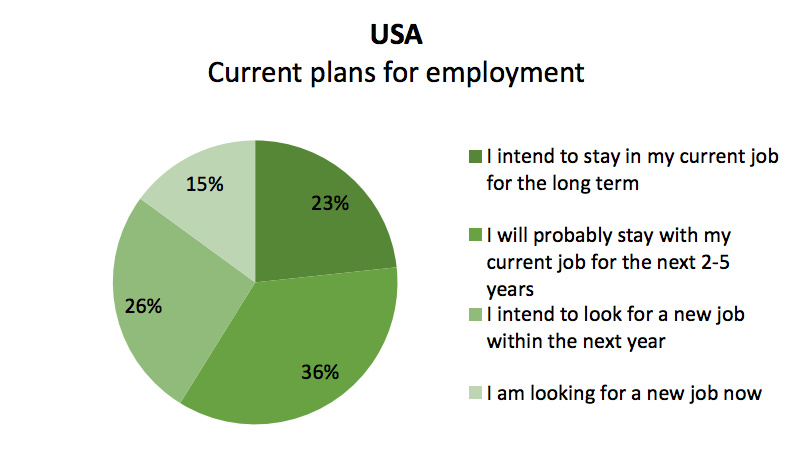
According to a recent survey of 3,300 employees across 14 countries by Dale Carnegie Training, 26% of U.S. employees say they will look for a new job within the next 12 months, and 15% are already actively looking for a new job. In total, more than 40% of all employees are at risk of leaving their job in the coming year.

Like this Article ?  Share It !    You now can easily enjoy/follow/share Today our Award Winning Articles/Blogs with Now Over 2.5 Million Growing  Participates Worldwide in our various Social Media formats below:

FSC LinkedIn Network: (Over 15K+ Members & Growing !)   www.linkedin.com/in/frankfsc/en

Facebook: (over 12K)   http://www.facebook.com/pages/First-Sun-Consulting-LLC-Outplacement-Services/213542315355343?sk=wall

  • Google+: (over 800K)https://plus.google.com/115673713231115398101/posts?hl=en
  • Twitter: Follow us @ firstsunllc

educate/collaborate/network….Look forward to your Participation !

Continue of article:

According to this study, a primary reason for leaving is poor management. Researchers found that an employee is nearly 10 times more likely to be very satisfied with their job when they are led by someone they feel is honest and trustworthy. Those who feel that their superiors do not exhibit such behaviors are four times more likely to be looking for a different job. This squares with results from a 2015 report by Weber Shandwick that found a chief executive’s reputation influences employees’ decisions to remain at their company.

The Dale Carnegie study revealed a wide variety of discrepancies between the leadership attributes they want to see in their supervisors and the characteristics they actually exhibit. For example, the study found that 84% of U.S. employees believe it’s important for supervisors and managers to admit mistakes, yet only 51% of U.S. workers say their employer or supervisor takes responsibility for their own actions.

Similarly, 85% of employees believe it’s important for managers to show sincere appreciation, yet less than half say their supervisors do so consistently. Expressing gratitude can be a powerful agent for retention while promoting well-being, according to a meta-analysis of several studies by Harvard Health. The researchers concluded, “Gratitude helps people feel more positive emotions, relish good experiences, improve their health, deal with adversity, and build strong relationships.”

Based on the study, authors suggest five strategies for employers and managers who want to retain some of those staff members that are currently looking for the exit sign.

1.ALLOW EMPLOYEES TO SAVE FACE IN DIFFICULT SITUATIONS

Sixty percent of U.S. respondents say that great bosses give employees who have made a mistake or feel embarrassed the chance to recover and do better moving forward.

2. ACKNOWLEDGE THEIR OWN MISTAKES BEFORE CRITICIZING EMPLOYEES

Sixty-eight percent of workers said they are motivated by supervisors who are bold enough to recognize their own shortcomings and don’t jump to criticize others.

3. RECOGNIZE IMPROVED PERFORMANCE

Seventy-two percent of respondents say this is one of the most important traits a manager can have.

4. GIVE PRAISE AND APPRECIATION

Seventy-four percent of respondents say great bosses praise and express appreciation for an employee’s work.

5. ENCOURAGE IMPROVEMENT

Nearly 80% of respondents say that inspiring leaders encourage and help employees improve.

It is important to note that despite the percentage of employees looking to quit, more U.S. employees are highly satisfied with their jobs than the average across the 14 countries examined in this study, which include Brazil, Canada, China, France, Germany, India, Indonesia, Japan, Mexico, Singapore, South Korea, Taiwan, and the U.K.

An average of 18% of employees across these countries indicated they were very satisfied with their jobs compared with 24% of Americans. Furthermore, while 41% of U.S. employees are looking for a new job or intend to within the next year, that number rises to 45% among international respondents.

Related: Take This Job And Shove It, Say The Majority Of Employees Who Quit

FastCompany.com | JARED LINDZON |  11.21.16 10:52 AM


https://www.firstsun.com/wp-content/uploads/2016/10/Man-at-Computer-sending-Email.jpg 720 1280 First Sun Team https://www.firstsun.com/wp-content/uploads/2018/05/logo-min-300x123.jpg First Sun Team2016-11-21 16:42:512020-09-30 20:49:56#Leadership : Why Nearly Half Of Workers Globally Could Leave Their Jobs In 2017…Managers can Help Retain their Staff by Applying these Five Strategies.
Page 145 of 235«‹143144145146147›»

Blog Search

Login/Register

  • Log in
  • Entries feed
  • Comments feed
  • WordPress.org

FSC Career Videos

  • Job Search Techniques | Start Here
  • Resume/Cover Letter
  • Interviewing
  • Additional Career Videos
  • FSC Career Blog – #1 Career Library LinkedIn

Recent Posts

  • #JobSearch : 3 Simple Ways To Make LinkedIn Work For You In 2026. A MUst REad for All! April 29, 2026
  • #JobSearch : A Successful Job Search & Career Needs A Strong Network—Here’s How To Build One. Great Quick Read! March 25, 2026
  • #ResumeWriting : 8 In 10 Hiring Managers Spot AI Resumes-These 3 Mistakes Give It Away. Guide to How To Write Your Resume Using AI. March 20, 2026
© Copyright - First Sun Consultation - Website Maintained by BsnTech Networks - Enfold WordPress Theme by Kriesi
Scroll to top